

Undergraduate Student Government’s (USG) College Council (CC) debated the merits of the Student Government Funding Committee’s (SGFC) cost guide and who should have the authority to amend it at the body’s meeting on Monday. Members clashed over proposals by Class of 2029 Representative Gavin Wynn to reinterpret guidelines that inform how much funding RSOs receive and to expand CC’s leverage over them.
Members also approved SGFC’s allocations to RSOs from the previous week, discussed several other USG bylaw changes, and began work on representative-led projects.
CC Chair Ben Fica announced at the beginning of the meeting that USG’s cabinet will allocate discretionary funding to launch a pilot program distributing U-lock-style bike locks to students and intends to refurbish a bicycle repair station near Bartlett Dining Commons.
He also said that in response to concerns over some CC members’ recurring absences from meetings, he and Vice Chair Kevin Guo would begin tracking repeated absences with the ultimate aim of asking CC to remove chronically absent members who are “unwilling to cooperate.”
Wynn sponsored a resolution introduced to CC earlier this month that would task USG with allowing student groups not formally registered as RSOs access to Student Centers spaces. He told members that he had spoken with Center for Leadership and Involvement (CLI) staff about implementing the change in accordance with University policy.
“We’re considering creating a system where College Council manages these bookings [by unregistered student organizations] and is responsible for these bookings,” he said.
He added that questions remained about how CC could avoid paying fees associated with Student Centers spaces and who would cover those costs.
CC also approved all of last week’s allocations to RSOs by SGFC, which is facing a dwindling budget. Of the nine funding requests SGFC had heard, two were approved in full, three were deferred, and four were denied. No RSOs appealed their allocations to CC this week.
After the SGFC allocations were approved, Wynn raised concerns about SGFC’s application of fundraising requirements and caps on coverage of travel expenses in deciding allocations to RSOs, pointing to an “unprecedented” number of funding appeals from RSOs over the past few weeks.
SGFC’s cost guide requires a minimum share of RSOs’ expenses to be covered by club fundraising and caps USG funding of travel costs at 50 percent for competitions and conferences and 20 percent for other activities. Wynn argued that, because SGFC calculates an RSO’s fundraising obligation as a share of total costs before applying travel funding caps, the existing formula can recommend an excessively small or even negative allocation in some circumstances.
The current process has “created some problems that leave RSOs with no funding, or very, very minimal funding that prevents them from going on whatever travel they requested,” Wynn said. “It undermines the spirit of the 50 percent cap.”
He said that in recent appeals, CC has instead interpreted the cost guide to require RSOs to fundraise a share of the costs SGFC would fund after the travel caps are applied, and recommended SGFC adopt that interpretation in its initial decision process.
SGFC Chair Caitlin Mooney contested Wynn’s characterization of the allocation process and said he should have come to SGFC before bringing his concerns to the full council.
“A lot of this math was done with a fundamental misunderstanding of what fundraising is,” Mooney told Wynn. “We [SGFC] are open to collaborat[ing], but we do not appreciate not being consulted.”
Wynn said he had spoken to Mooney and other SGFC members, though Mooney told the Maroon in an email that Wynn had not responded to her concerns until just before Monday’s meeting.
“[N]one of my concerns were addressed in the final presentation to College Council, which indeed had identical math and logic to the one he (partially) disclosed to me,” Mooney wrote, adding that fourth-year representative Pavlik Braverman—who worked with Wynn on his proposal—had acknowledged “fundamental misunderstandings” about SGFC’s process for funding travel.
Mooney noted that Wynn’s examples did not account for non-travel expenses, which are not subject to SGFC’s cap. She also said that SGFC only deducts the unmet portion of the fundraising minimum from the final allocation when an RSO has not already fundraised sufficiently as a “penalty” and does not make a deduction when the fundraising requirement is met.
She pointed to other factors, including ticket sales and variable existing fundraising, that would affect the share of any given request that is allocated, suggesting that the percentages in Wynn’s document were not meaningful. She also highlighted potential confusion about what SGFC counts as fundraising.
“I can say as Chair that the committee is very open to hearing feedback on what they can do differently in regard to genuine, feasible changes that can be made to the Cost Guide,” Mooney wrote. “Our only constraints are equity, transparency, and our budget (which, as you’ve noted already, is dwindling).”
Later in the meeting, a resolution—sponsored by Wynn—was introduced that would formally establish CC’s authority to approve changes to and amend the SGFC guidelines and cost guide. CC already approves SGFC’s changes to those documents in practice but has not historically made unilateral revisions to them.
“There’s been differing opinions between SGFC and College Council, and that has resulted in us spending a lot of time hearing appeals and determining what we think,” Wynn told members. “It would be helpful to be able to implement the ultimate decision—which is College Council’s—in the hearing of SGFC appeals, and that would save time for our body.”
He also acknowledged concerns that allowing CC to amend cost guidelines would make funding decisions more political, but framed the decision as “a question of, ‘Do we trust ourselves as a body, do we trust the majority of College Council to make good decisions?’”
Wynn said he had faced pushback on the resolution from CC members ahead of the meeting.
Second-year representative Grace Beatty, who also sits on SGFC, said the conflicts over the cost guide this year have been anomalous. “The disagreement that has happened between College Council and SGFC started last quarter,” she said, suggesting that the “tension” between the bodies could be attributed to the new class of representatives.
Guo introduced a series of resolutions that would amend USG bylaws and procedures. Proposed revisions to the bylaws addressing election procedures—drafted in the aftermath of an attempt by the Elections & Rules Committee (E&R) to nullify elections last spring—would protect against future nullification attempts, put in place a formal procedure for recall petitions, and clarify what offices recall petitions apply to, among other changes. Other resolutions Guo introduced would clarify how USG’s vice president of student organizations is selected and widen some bylaw provisions that currently apply only to SGFC to include other funding committees.
He also introduced another resolution that would provide for a referendum on whether to amend the constitution to create a judicial council, which would adjudicate disputes about the USG constitution and bylaws. A near-identical referendum, also spearheaded by Guo, passed overwhelmingly last year but was disqualified by E&R under Nevin Hall, the former vice president of student organizations who was impeached in the spring, and the judicial council was never implemented.
Because a resolution cannot be passed at the same meeting as it is introduced, none of the resolutions introduced on Monday will be approved until at least next week.
CC also briefly discussed members’ projects, which include securing universal tap access to dorms; ensuring dining halls open before early morning final exam times; allowing students to use Maroon Dollars to pay for laundry in dorms; improving USG’s communication with the student body, including via social media and its website; reopening the sauna in the Ratner Athletics Center; and incorporating sexual assault prevention workshops into Greek life organizations’ initiation processes. Fica said this year’s CC is pursuing fewer projects, with more members involved in each, in an effort to see more of them succeed.
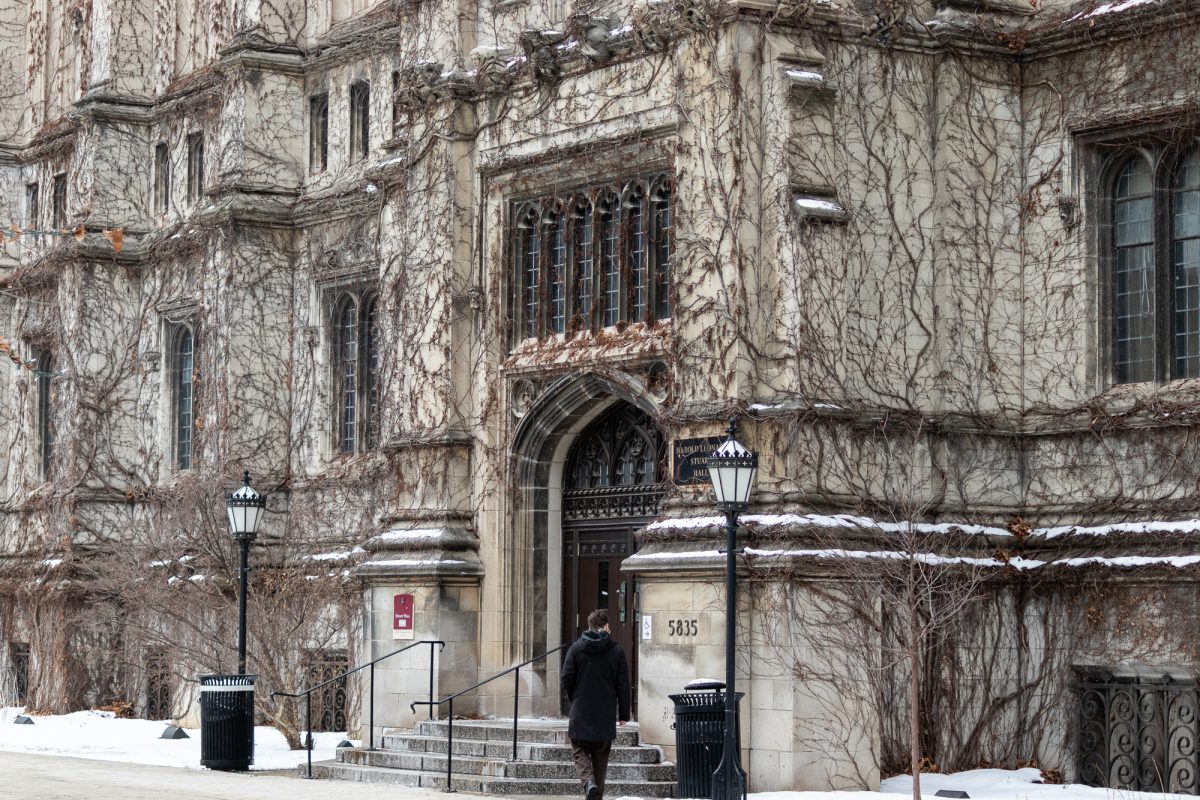
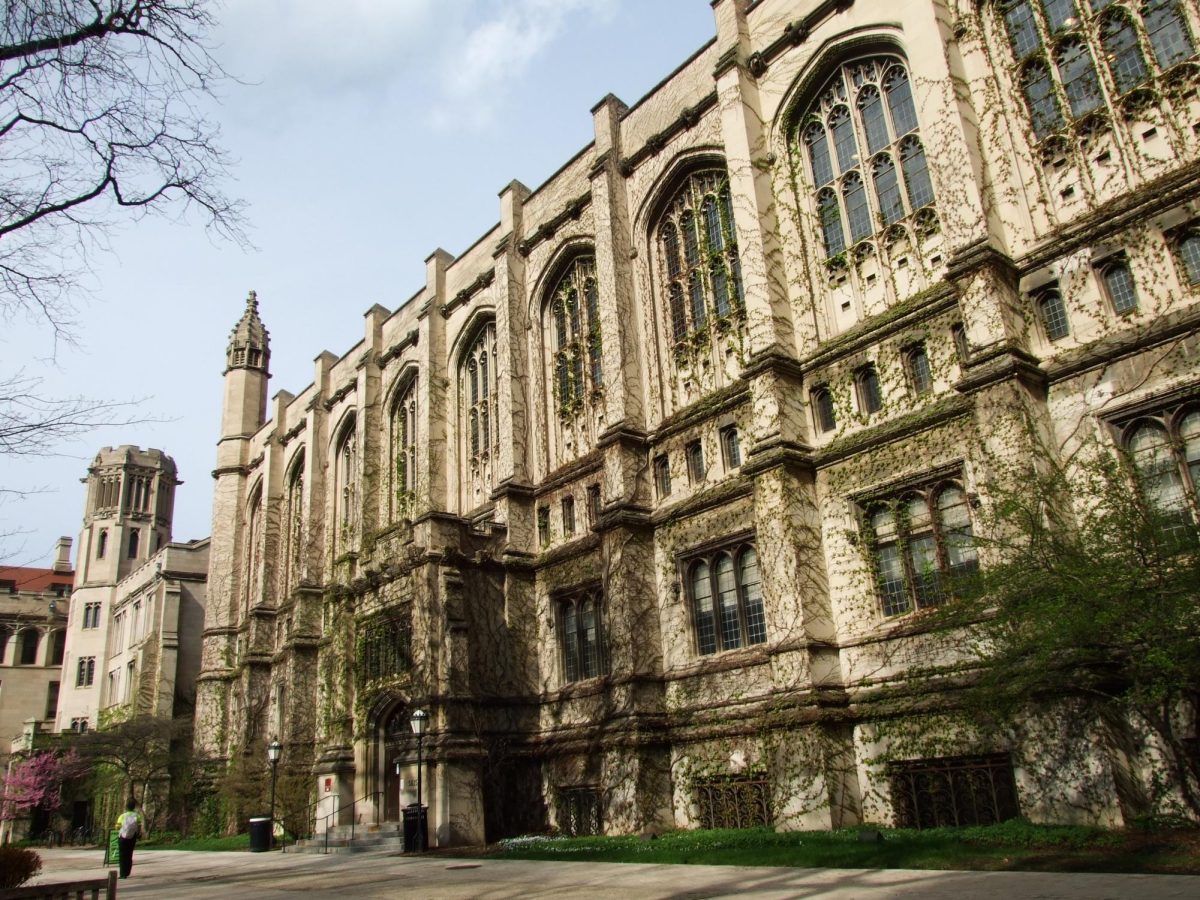
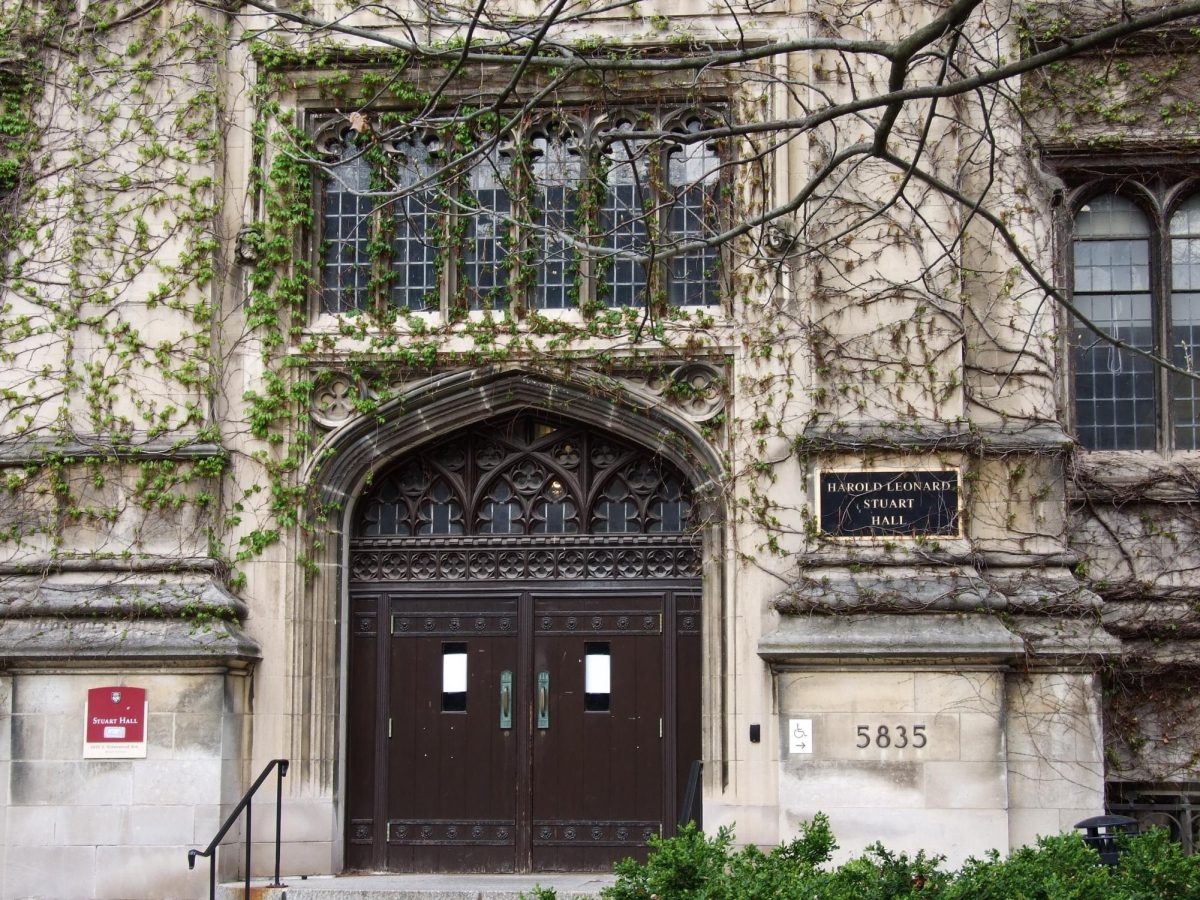
College Council holds weekly public meetings in Stuart Hall 104 on Mondays at 7 p.m.
Editor’s note: Grace Beatty, a second-year College Council representative, is a current staff member of the Maroon. She had no involvement in the reporting of this story.

Gavin Wynn / Feb 19, 2026 at 9:27 pm
I feel like this article views differing opinions as inherent conflict. It frames an ongoing discussion within College Council as a fight between us and SGFC. This is just not the case.
Caitlin has expressed many times her willingness to collaborate. SGFC was provided a draft of our recommendations for the Cost Guide and discussed it on the Thursday before College Council met. By Caitlin’s request, I met with her to discuss the recommendations shortly before the meeting on Monday. The proposal that was shared was created in collaboration with many CC and SGFC members.
This is an ongoing project, and as I noted during the meeting, still requires review and further clarification from SGFC.
What the Maroon does get right is how complicated our current funding system is. Changes made by CC earlier this year to curb spending have significantly hurt certain high-impact RSO’s ability to provide essential programming.
What we are trying to deliver is clear and fair funding to our RSOs. Instead of reporting on the controversy, I wish the Maroon would focus on the significant amount of work USG is undertaking to improve itself.