Every summer, a handful of UChicago students participate in international research, traveling abroad for unique opportunities. Some experiences are conducted through pre-existing research programs in affiliation with the University, while others are formed by students as independent research projects. The Maroon interviewed six students who pursued international research last summer and asked them about their time abroad.
One of these independent projects belonged to Elijah Jenkins, who spent time in Palau and Guam studying local culture and embarking on local archaeological trips. Palau’s intimate culture as a result of its natural environment made the experience distinct for Jenkins. “You’re on an island, and [there are] only 8,000 people,” Jenkins said. “It’s isolating because there are no college students there, so I really just forced myself to meet people in the community and spend time with them through my research work, which is a lot different than being in Chicago.”
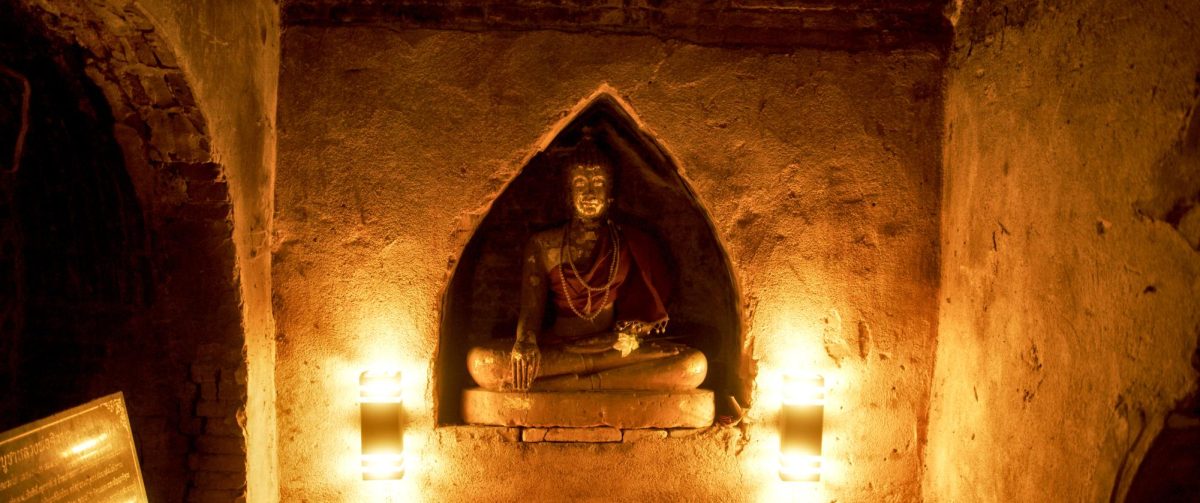
Fourth-year Paolo Diaz Andrade had a similar experience acclimating to his creative residency over the summer in Chiang Mai, Thailand. During the program, Diaz Andrade researched several ongoing issues in Southeast Asia, such as the long-standing conflict in Myanmar, in order to contribute to an art series on labor and immigration patterns in the Global South.
Because his project was inherently linked to the culture and location of his residency, Diaz Andrade argued, it was impossible to do from a campus office. “The objective of this screening series was to create an intercultural dialogue between South America and Southeast Asia,” Diaz Andrade said. “I talked to people from Myanmar, people from Thailand, and they have unique characteristics that are only there because of their lived experiences they have.”
Third-year Jacob Rothman participated in the German Academic Exchange Service Research Internships in Science and Engineering (DAAD RISE) program, a UChicago–associated summer research internship which matches students with research groups in universities based in Germany, where they assist doctoral students in their research projects. German culutre felt unfamiliar at first, but he eventually came to feel like he was at home. “It was different enough to add a lot, but not different enough to make me uncomfortable,” Rothman said. “The longer the summer went on, the more it felt like I was just in a safer, cleaner America.”
Lekha Masoudi, a fourth-year history major and biology minor, traveled to Nain Gahar, a small village in northern India in the Western Himalayas, to study the Eurasian wren on an independent project. Masoudi had participated in DAAD RISE in a previous summer. She had enjoyed the research but felt more independent in her most recent experience. “It’s a lot more restrictive to be in a lab. I was also working on a Ph.D. student’s project, and it was interesting, but it wasn’t something that I could design myself,” Masoudi said, referring to DAAD RISE.
Elsa Batalden, who traveled across four cities in Norway studying pre-trial detention practices and received a Summer International Travel Grant for her project, also felt a unique sense of freedom in her adventure. “I didn’t have to constantly check in with someone in a way that you do if you’re in a lab on campus,” Batalden said. “I was able to really go where my interests took me and make the project my own.”
To students like Jenkins, the independence that comes from being abroad makes their personal interest in the project stronger. “Since it was more of a passion project, it was cool to do it independently. It’s like a self-discovery experience as well throughout the summer,” Jenkins said.
Claire Barbosa, a fourth-year public policy major who did research in Australia, felt that there were some unique advantages of doing on-campus research that cannot come from international research. “Being abroad, I have been able to meet a lot more people,” Barbosa said, “but… being on campus gets you really close connections with faculty.”
When asked what advice she would give students considering research, Masoudi said that building on past experiences is key to figuring out what you want to study. “The more work that I did in labs before, the more I was able to figure out what I was interested in for this and really narrow in on a project,” she said. “Even if your first lab or first research you’re doing is not your favorite thing, it’ll still help narrow down your interests.”
Jenkins echoed a similar sentiment. “You could figure out the topic based on your classes and discover it that way,” he said. “I’ve taken two other classes that helped me redefine what my research question was going to be, and so I would always focus on my final projects to be surrounding the topic I was thinking about doing. By the time I ended up saying I was going to do this in my thesis, I kind of already knew about it because every class I was taking was focusing on that subject matter.”
Barbosa encouraged students to focus on their interests. “You can have an adventure pretty much anywhere,” she said. “Once you like a certain subject, it’ll take you to a location, and I think you could have a great time anywhere.”