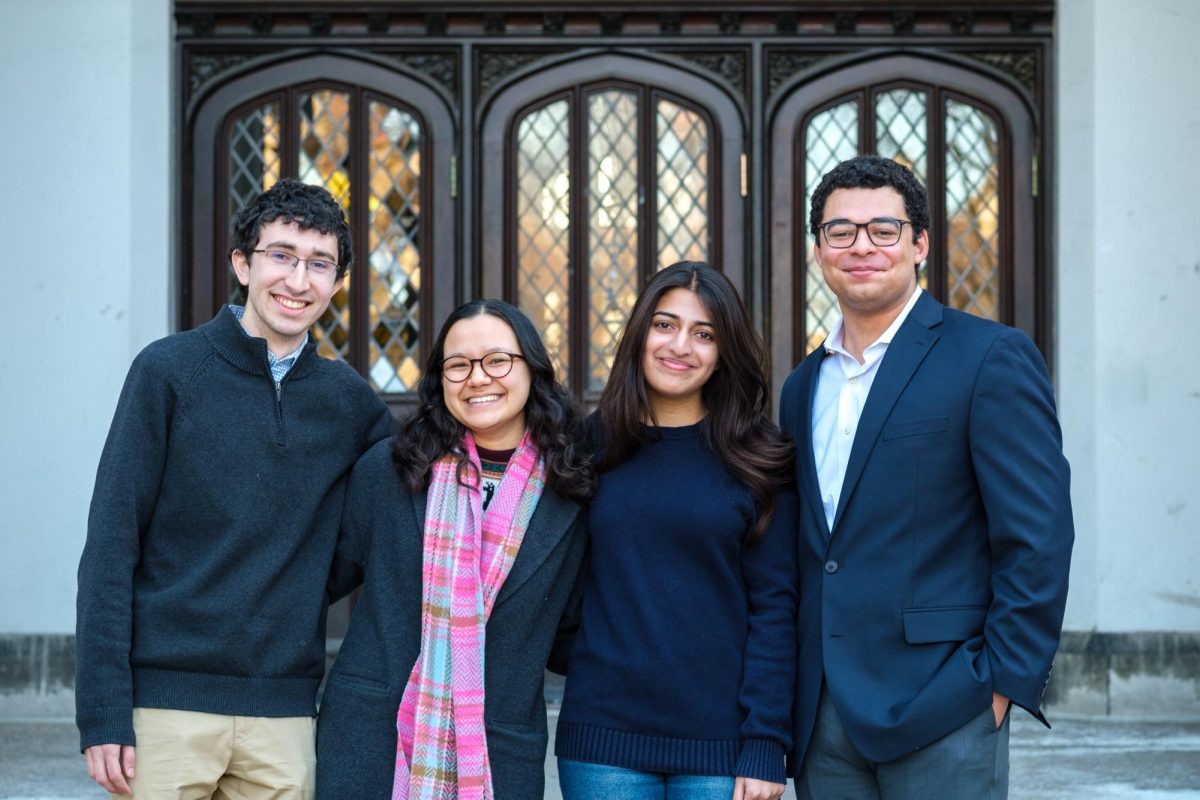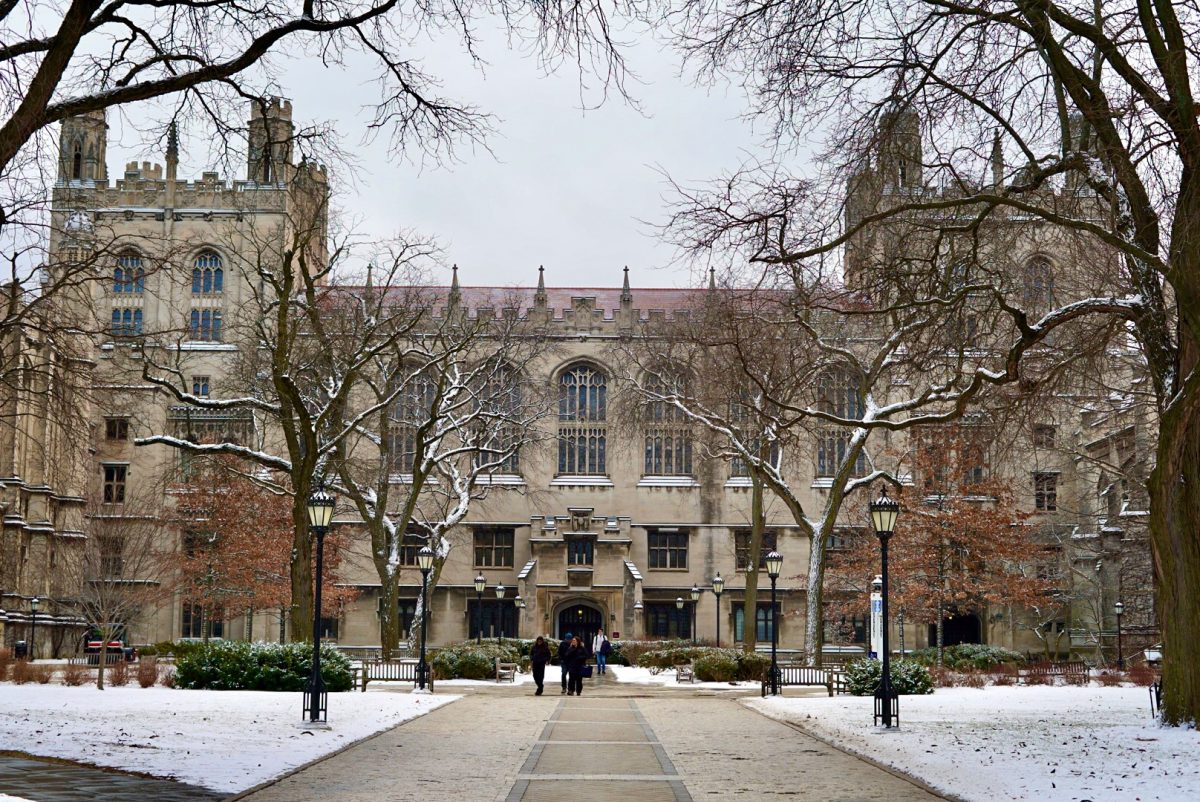
UChicago students Mai Vu, Laurel Alpaugh, and Samara Blatt saw last year that students didn’t have good local options for exchanging secondhand clothes on campus.
“Besides Resource, the best option for thrifting is in Wicker Park, which is really far,” Blatt said.
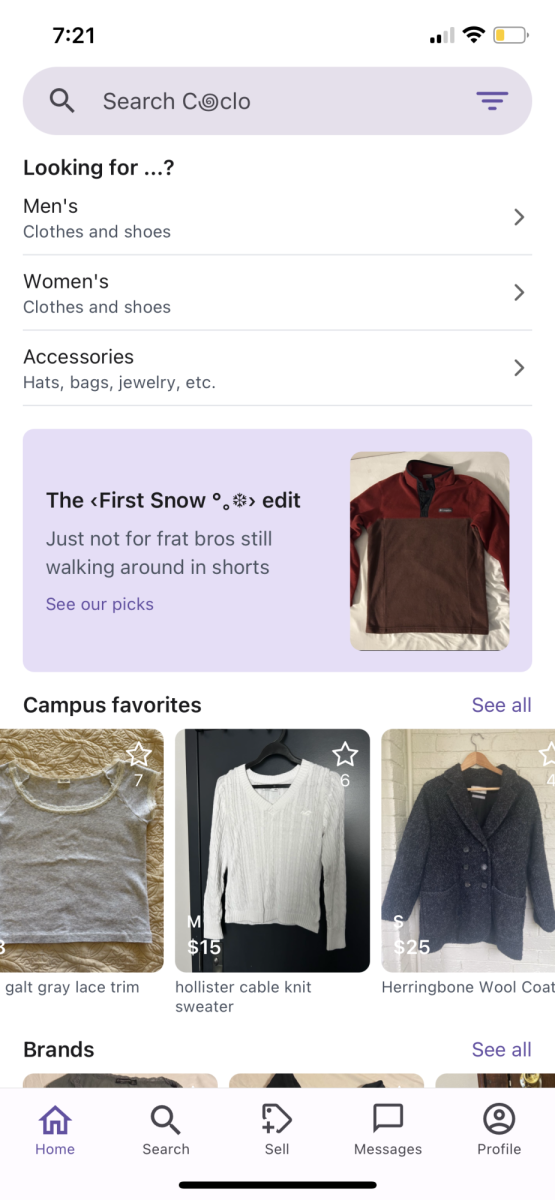
To fill the gap, the three students started Coclo, a student-run clothes reselling app that debuted last spring, designed to let students sell used and homemade fashion items to other students.
CEO Vu (A.B. ’25), COO–CFO Alpaugh (A.B. ’24, A.M. ’25), and current third-year chief marketing officer Blatt began working on the app in 2024 and officially released it in spring 2025. Coclo reached an all-time high of 1,335 users this quarter and, as of November 10, has processed approximately 400 transactions since its release.
According to Blatt, Coclo is designed for the “stereotypical ramen-eating, low-budget college student” who wants a cheap, easy, and sustainable way to buy and sell secondhand clothes on campus.
Blatt said that students wanted a way to exchange clothes exclusively with others on campus to avoid the hassles and costs of shipping. She also pointed out that graduating students often wanted to get rid of clothes in their current wardrobe as they moved away and into more professional environments. “We interviewed nearly 100 UChicago students before even writing any code to figure out their frustrations with existing solutions,” Vu said.
Alpaugh used her experience with other online reselling platforms to create an alternative to options like Facebook Marketplace and Depop designed specifically for the needs of UChicago students. “I bring to Coclo my years of selling secondhand online and in the Boston area,” Alpaugh said. “This pairs beautifully with Mai’s technical background and Samara’s marketing genius.”
“We’re providing a service that is intended for clothing that should be used again and again and again and again,” Blatt said.
Because all exchanges on Coclo occur in person, students don’t have to deal with the costs, wait times, and environmental concerns of shipping. “Shipping is one of the biggest CO2 producers and to take that away is a huge benefit, and I think [Coclo] really would appeal to people who value that sustainability aspect,” Blatt said. “[There’s] also the convenience factor—‘I need something last-minute, and I need it now.’”
Since its launch, Blatt said that Coclo has organized in-person events in collaboration with MODA and the Phoenix Sustainability Initiative to grow its user base and further connect to the UChicago community. “When I go to reach out to a specific organization about doing something, my initial thought is, is there an area or a community on campus that we have not intentionally served yet?” she said.
First-year Hunter Green is a Coclo user who discovered the app through a clothing swap Coclo co-hosted with MODA. “I found a bunch of neat thrifts—I just wish they hosted more,” he said.
Coclo also won the UChicago Tech Showcase earlier this year. Since then, the app has received support from both LTF Ventures and Polsky Founder’s Fund Fellowship for further development.
Although most of the app’s funding comes through scholarship and grant programs, Coclo also takes a small percentage from the seller’s end of transactions, Blatt said. “All of the money, if we have any, is going back into the app,” she said.
Coclo is also constantly responding to user feedback with frequent new updates, according to Vu. Recently, they implemented an AI listing feature that writes a description of students’ items based on a photo of the item and sorts items into categories.
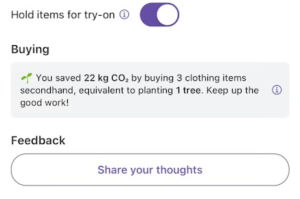
Blatt added that the AI feature was intentionally designed to be optional for customers who are concerned about the environmental impact of AI data centers, and the app also now shows how much CO2 customers save by buying secondhand. “A huge part of our user base—and I’d even go as far to say the majority—are people that really value sustainability, and that’s why they thrift and why local exchange is important to them,” Blatt said.
These features intend to make it easier for non-thrifters to use the app. “Our marketing is not only ‘Hey thrifters, come thrift on our app,’” Blatt said. “It’s also, ‘Hey, people that don’t thrift, this is a really easy way to get into this, and the clothes are really cheap, and it’s really easy to upload your clothes, and you can get money.’”
“The process of selling your clothes [on Coclo] is actually very fun,” third-year Coclo seller Marina Mendoza said. “They have an AI listing feature that makes it super easy to list your stuff, and it’s fun to go on the app and see what everybody else is selling.”
“I personally have been blown away by the response from the UChicago community, and it makes me emotional considering the fast reception of the app and seeing the secondhand community come together on the platform,” Alpaugh said.