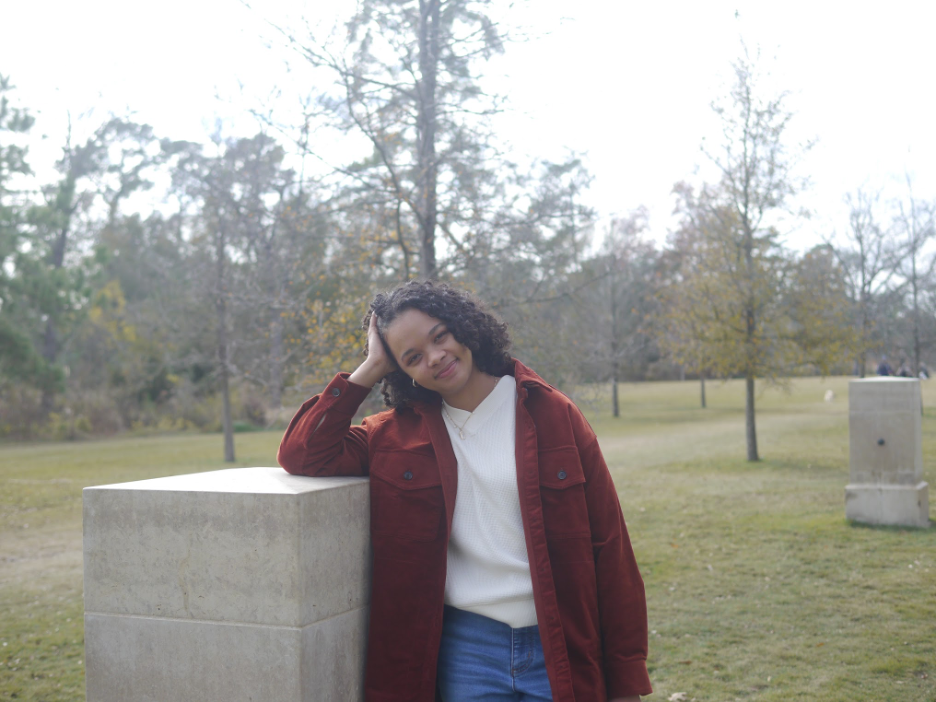
Fourth-year Tori Harris has been awarded a 2026 Rhodes Scholarship to pursue research in African diasporic archaeology, making her the third UChicago student to receive the scholarship in the past two years.
The Rhodes Scholarship, which fully funds a graduate degree from Oxford University, is one of the most prestigious awards for postgraduate study. Harris plans to pursue master of science degrees in African studies and archaeology with a specialization in landscape archaeology.
Oxford does not currently have any African diasporic scholars, but, for Harris, this is not an impediment.
“A critique of African diasporic archaeologists is that they don’t learn enough about West African cultures and societies around the late 16th century or early 17th century, when the transatlantic slave trade was happening. So, I am going to study this in the master’s program and then go from there to archaeology,” she told the Maroon.
Harris began working on archaeological research while in high school at age 16, mapping the historical trauma that occurred in her hometown of Tulsa, Oklahoma during the 1921 Tulsa Race Massacre. According to Harris, the experience helped her connect to her own history and inspired a need to learn more: “I went there, and I felt very connected to, or I felt a real need to be doing this history. So, I think that’s when I really started wanting to do archaeology.”
“It felt like I was discovering something new about my own history all of the time,” she said.
Initially intending to study creative writing and archaeology at UChicago, Harris progressively turned to exploring African cultures and Black history. During her study abroad program in Paris, she was encouraged by a professor to apply for the Rhodes Scholarship, but not knowing what it was at the time, she was initially hesitant to apply.
“I’m sitting there, and I’m like, ‘This isn’t me, this isn’t what I do. I dig around in the dirt, right?’” she said, reflecting on the application process. “I wouldn’t be here without my professors writing me my recommendation letters, guiding me through this, literally telling me at every step of the way: ‘You are a good candidate.’”
In addition to the research, Harris said that she is particularly excited to work alongside other Rhodes Scholars, many of whom she already met as a finalist. “It was like being in an incubator with 15 or 16 other people and getting to bounce ideas off of each other about our different projects,” she said. She hopes that the community will continue to inspire her throughout her time at Oxford.
She also offered some advice to anyone considering the scholarship: “Even if it doesn’t end up in the result that you’re expecting, it will end up in a different direction, and that is good.”