Chicago tends to think of itself as a city defined by its neighborhoods, movements, and grassroots organizing. A recent show at the Museum of Contemporary Art, Chicago (MCA), City in a Garden: Queer Art and Activism in Chicago, posits that queer art and activism are key to Chicago and LGBTQ+ history and belong squarely within that civic identity—even if they have often been written out of the official record.
Per the exhibit’s wall text, City in a Garden is a group show about queer art and activism in Chicago from the 1980s to the present. The exhibition chronicles the LGBTQ+ community’s response to the AIDS crisis and the U.S. government’s mishandling of it. In the wake of this devastating event, LGBTQ+ artists and activists turned their anger and grief into art and activism. Through this radical shift in LGBTQ+ history—when visibility became unavoidable, the community expanded, and politics became paramount—activists reclaimed the historically pejorative epithet “queer” as a liberatory term to describe anyone who purposefully deviates from cis-heteronormative society. In doing so, activists made art that aimed to reclaim agency and open new paths to visibility and expression.
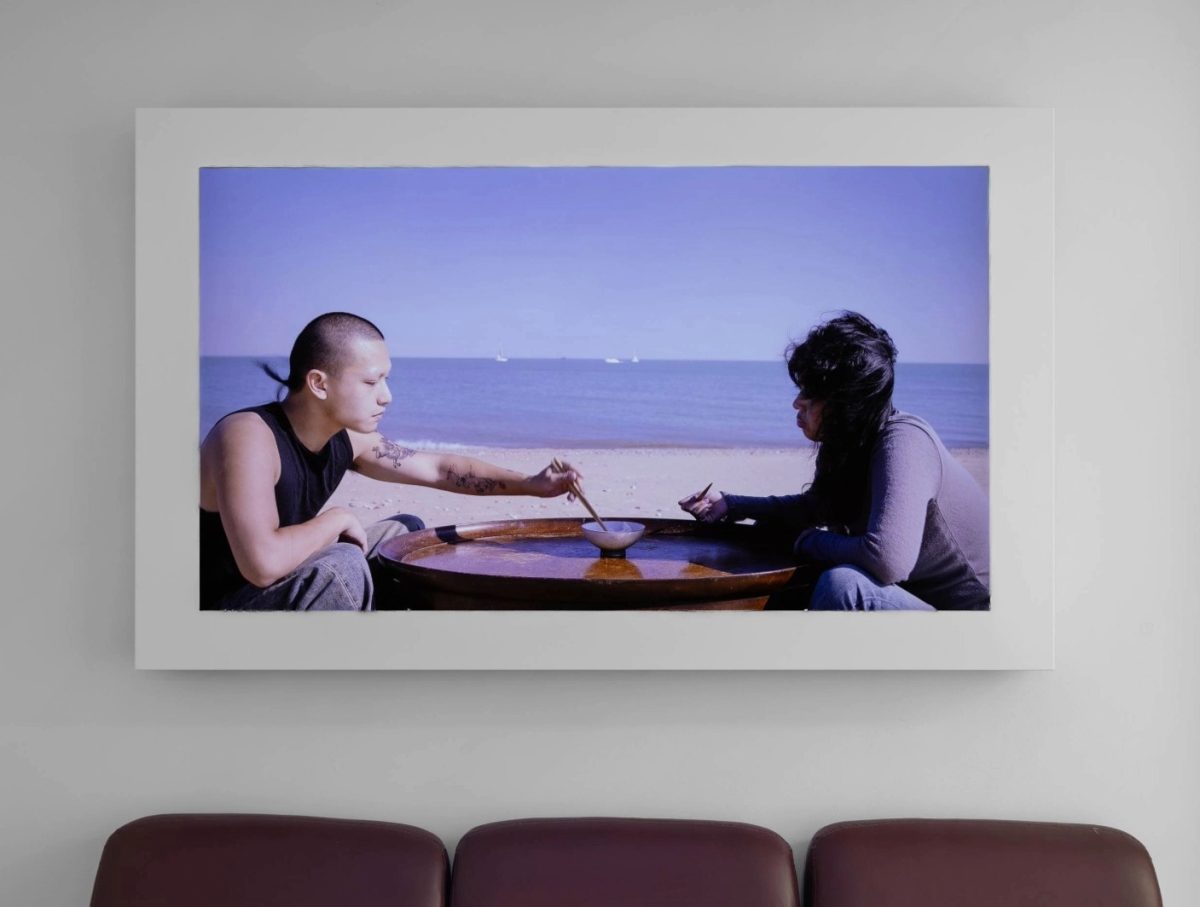
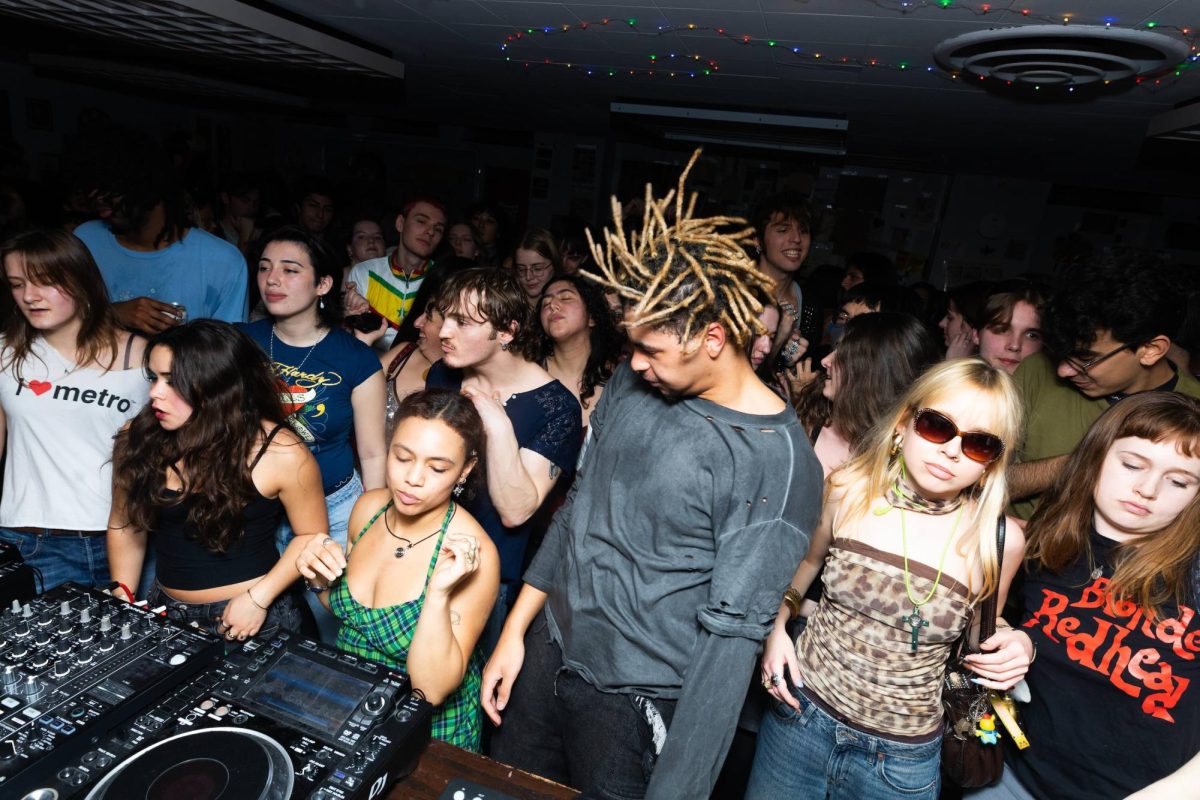
The exhibition explores queerness spatially, whether in private, public, or imagined spaces. These spaces, oftentimes hard-won and tenuously held, provide respite from the hostile and restrictive aspects of society. The show is arranged into five galleries. The “garden” and “club” show spaces of community and care with various sculptures, photographs, and paintings; the “street” openly depicts the visibility and history of Chicago’s LGBTQ+ activists through film and protest materials. The “cinema” and “utopia,” meanwhile, consider the temporality of queerness through film and artworks. These spaces allow the featured artists to reveal quiet moments of intimacy and community, push back on traditional views of gender and sexuality, and thus blend their art with activism.
One of the show’s most visually striking pieces is Amina Ross’s 2021 film Man’s Country. A massive screen situated in the corner of a gallery provides an enveloping experience. Inside, the disembodied viewer floats through a digital recreation of the titular gay bathhouse, once the oldest in Chicago, before it closed in 2019. Ross lived down the street from the site, using photos and footage to rebuild its interior. Multiple voice-overs speak poetically throughout, narrating a change to come. The rendering begins to break down as the film progresses, until it is nothing more than parts of the interior floating in the ether. Watching this installation piece, I found myself asking questions about the bathhouse’s history. Because the space is digitally recreated and dissolves, the film reflects on impermanence and community resilience. Man’s Country serves as a meditation on how queer communities navigate impermanence, memory, and survival from within the wreckage.
Through Ross and other artists, City in a Garden foregrounds histories of spaces and networks that shaped queer life in Chicago—many of which have been overlooked. A significant portion of the show highlights ACT UP/Chicago, the AIDS awareness activist group that forged networks of care, protest, and community throughout the city from the late 1980s to 1995. The group’s first and most popular t-shirt design, “Power Breakfast,” begins a lengthy vitrine full of flyers, news coverage, and press releases about the group. The title of the show is a reference to Chicago’s official motto, Urbs in horto. It also alludes to a show motif: Montrose Point Bird Sanctuary, a discreet yet vital gathering place for Chicago’s LGBTQ+ community along the lakefront. In both Chicago generally and at Montrose Point specifically, urban spaces function as delicate yet crucial spaces of queer life and community.
The exhibition brings together the AIDS-era generation and post-AIDS generations of queer artists, juxtaposing archival footage with contemporary works that confront present threats to LGBTQ+ communities. Visibility and the fragility of queer spaces are themes transcending time, lending the show an undercurrent of urgency. From virtual recreations of historic sites to new explorations of queer life, the works collectively emphasize the precariousness and resilience of LGBTQ+ spaces today, nurturing the same garden-like sanctuaries evoked throughout the show.
City in a Garden presents these histories and visions as a reminder that Chicago can still nurture intimate spaces where queer life, art, and activism flourish, even in the most uncertain of circumstances.
City in a Garden: Queer Art and Activism in Chicago is on display through August 16.