Grey City is the Maroon’s features and investigative journalism section. We cover campus culture and local news in an in-depth, often long-form style, and we are dedicated to all things serious and curious at the University of Chicago.
Donald Liu drowned last August after saving two children swept out into Lake Michigan. He was survived by a wife, three children, countless patients, and the next generation of pediatric surgeons at Comer’s Children’s Hospital.
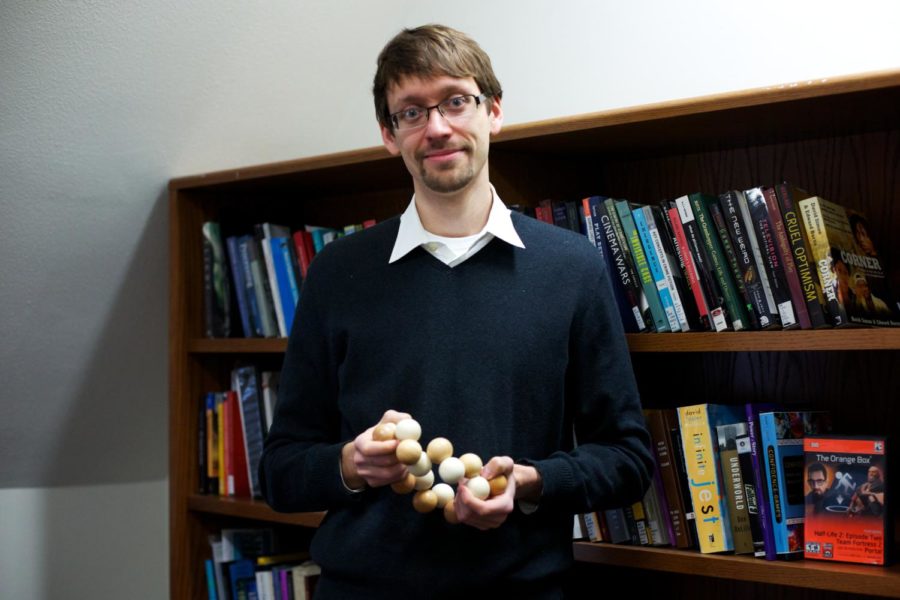
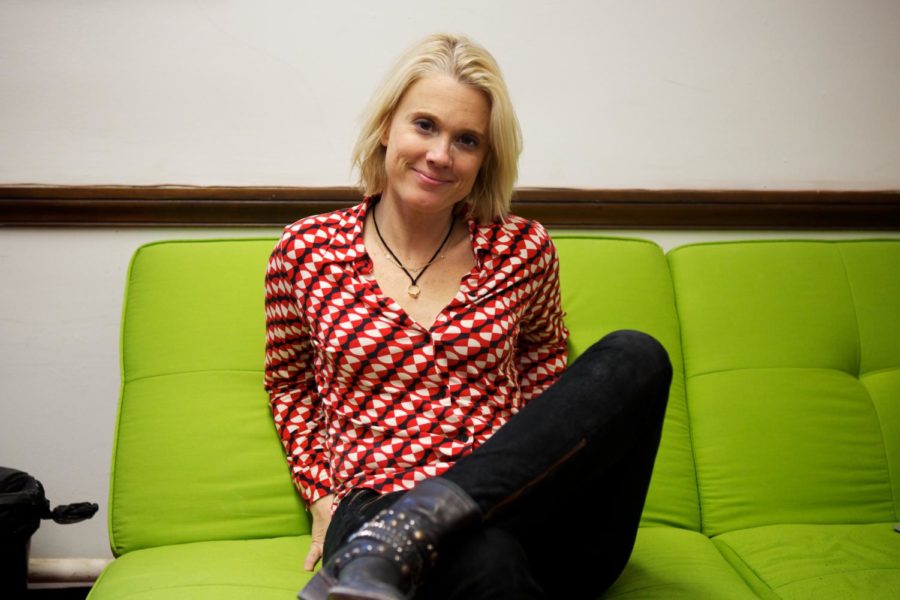
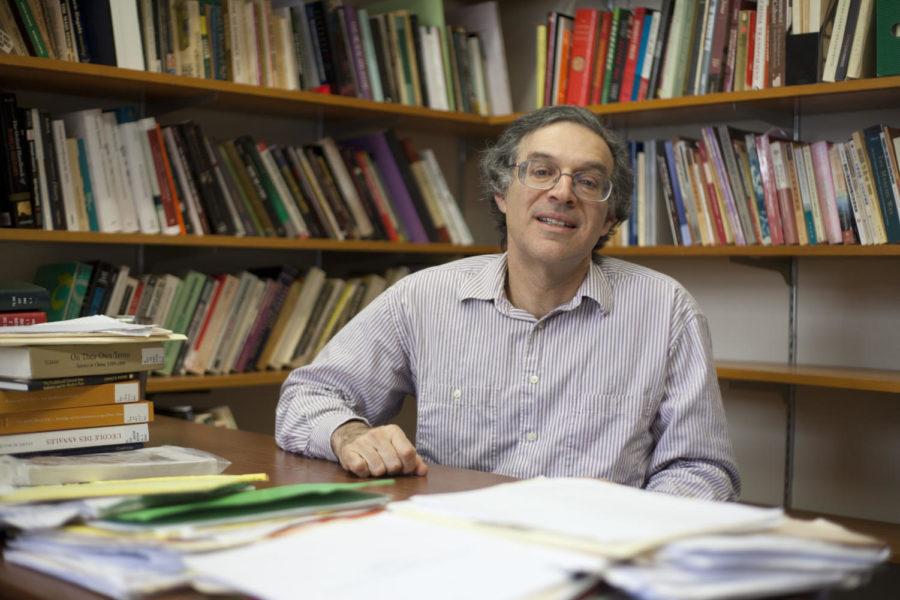
Grey City sat down with five new faculty members appointed within the last year and half: Kenneth Pomeranz (history), Amie Wilkinson (mathematics), Patrick Jagoda (English), Nicolas Brunel (statistics and neurobiology), and Paul Nealey (the new Institute for Molecular Engineering). You might not know their names yet. But you may well soon. .
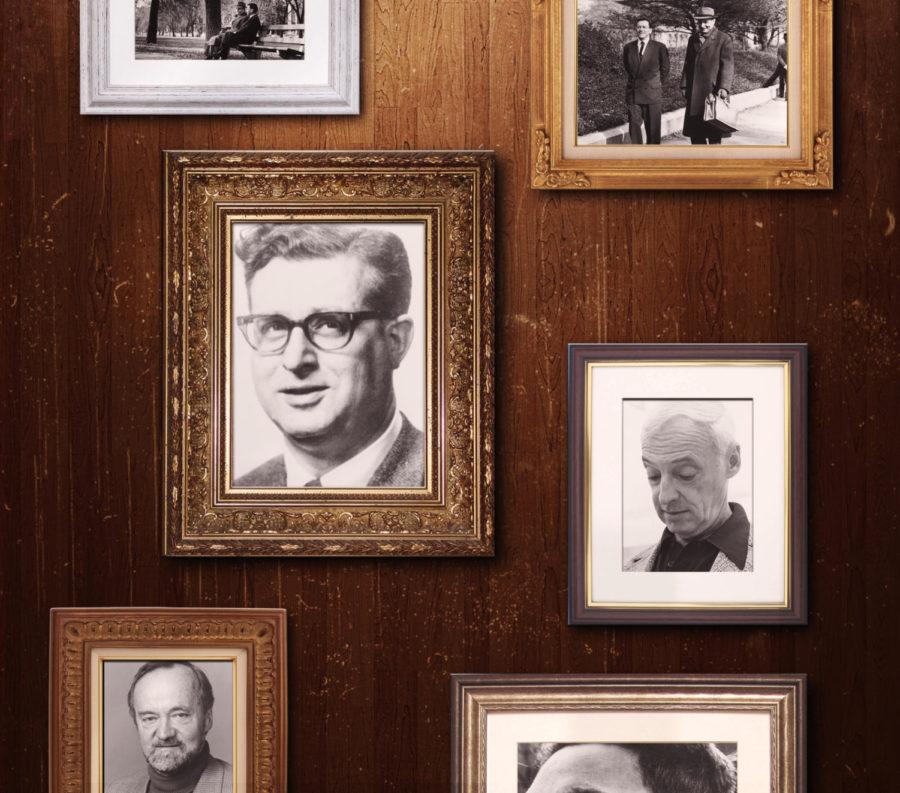
The Committee on Social Thought is one of UChicago's signature programs. Its members you've probably read in your Core classes. Its students have likely been your professors. But it's as hard to define as it is prestigious.
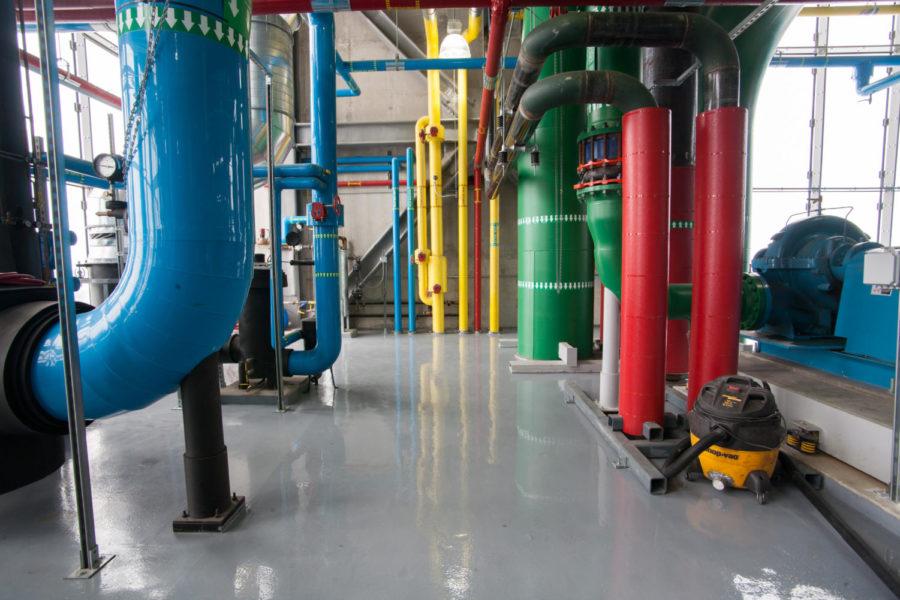
The University's Office of Sustainability was created in 2008. Since then, its staff have been fixing up the Quads' oldest buildings, tracking greenhouse emissions, and changing lightbulbs all over campus. But how does it pick its projects—and how can we tell they're doing any good?.
GC: Describe your work in three sentences or less. NB: My field is called computational neuroscience, and the idea is basically to use quantitative tools from applied mathematics, statistics, and physics to try to understand how the brain works. There are many different branches of computational neuroscience—some people work on mathematical models of single neurons...
GC: A lot of your molecular engineering research focuses on computer chips. Can you describe your work in three sentences or less, as if you were explaining it to a political science major? PN: The size of the device is now on the molecular level, so it’s kind of consistent with molecular engineering. The traditional...
GC: Describe your work in three sentences or less. PJ: I’m interested in the ways the network arose as a material metaphor in the late 20th century. So, why it is that we use the metaphor of the network to describe economic systems, the Internet, terrorist networks, ecosystems? My work looks at the ways different...
GC: My brother got all the math genes in my family, but is it possible to describe your work to me in three sentences or less? AW: My work is in an area called dynamical systems, which is a space that evolves over time according to a set of rules. Both planetary motion and the...
GC: Describe your work in three sentences or less. KP: Most of my work has been trying to trace long-run patterns of economic development, environmental change, state formation, and social structure in China—particularly rural China. One way of thinking about that is looking at particular sets of patterns of land and water rights and how...
The last protests of the "99 percent" have died down. What now?
Support Us
$4,110
$5,000
Contributed
Our Goal
Your support will ensure that we can continue producing powerful, honest, and accessible reporting that serves the University of Chicago and Hyde Park communities.