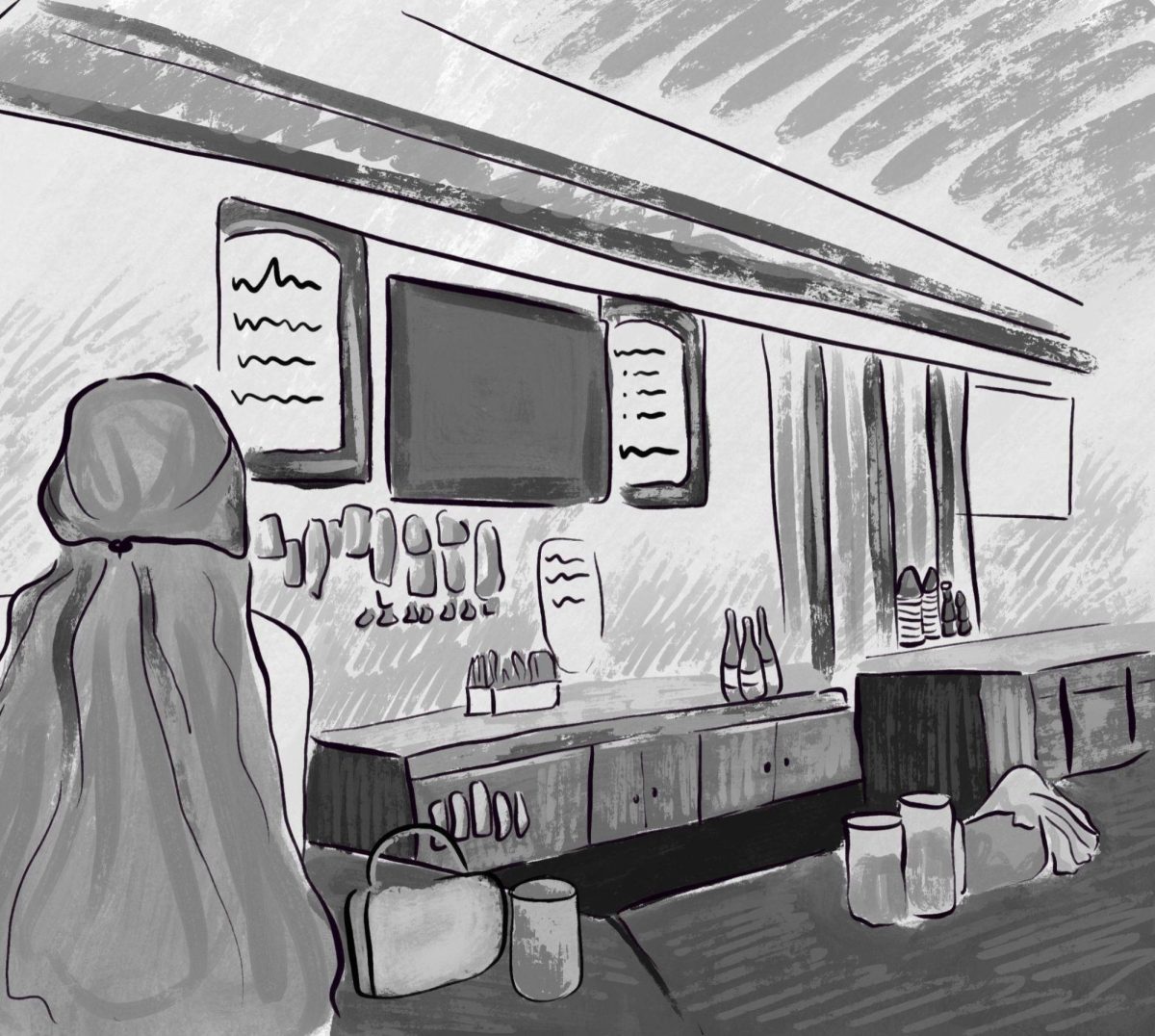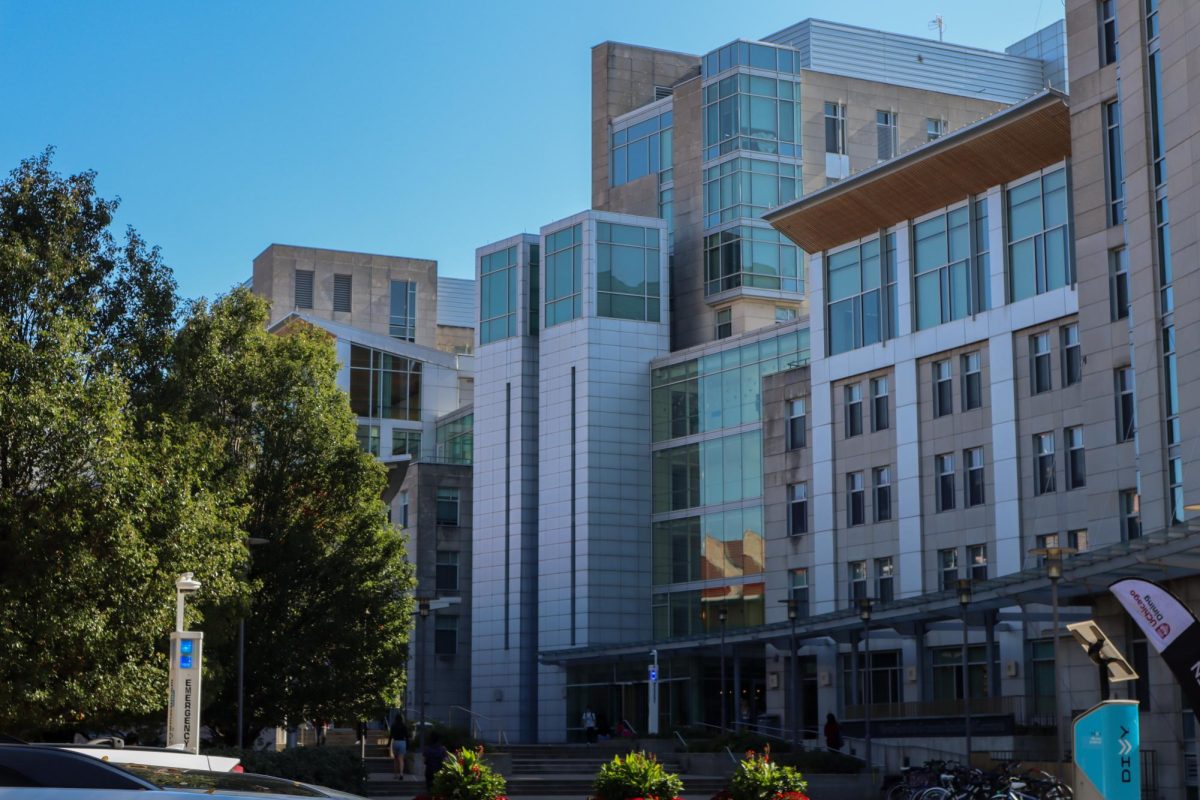
Since returning to the University of Chicago for my third year at the College and, consequently, my first year living off-campus, I have been forced to confront the profoundly different pressures exerted upon my daily and weekly schedule between now and previous years. While my newfound freedom is nice, there is a distinct absence of the UChicago atmosphere that I came to appreciate when I lived on campus. While most of my weekdays during the school year will certainly be spent on campus, I probably will not be getting Fourth Meal with friends after a late-night workout at Crown every day, nor will I be seeing hall mates every day in the bathrooms. I will not be in the dining halls so frequently or pulled into house events I happen to walk by, necessarily interacting with other students and learning about opportunities on campus. Instead, I’ll get to enjoy a nice, long, and private shower in the evening, 24/7 convenience stores, and enough pantry space to last me the entire quarter. No one forced me to live in this new environment, but given the choice, it seemed silly to intentionally choose a dorm life inconvenienced by communal bathrooms, shared kitchens, and rules dictating what I can do in my own room. I am only now realizing that such freedom does indeed come with concessions. And while I still prefer off-campus housing, I have come to appreciate many aspects of student housing and campus life that I might have taken for granted before.
Longer than some institutions’, UChicago’s two-year housing requirement has come under frequent fire in conversations I have had with peers who find the policy limiting—the mandatory first-year meal plan, the small and simple dorm rooms, the proximity of students, the shared common areas. The list goes on. I would argue that the restrictions are precisely the point. The meal plan gathers new students in the same area for meals; the simple rooms force students into communal spaces for laundry or cooking; and shared facilities like bathrooms maximize opportunities for interaction. So many of the moments created by these conditions served, at least for me, as fundamental building blocks for the sense of belonging and identity that I now feel at the University.
The vast majority of my close friends at UChicago are people I met due to proximal housing assignments. Certainly, not everyone has a great experience with their first roommate or neighbors, and it is not exactly easy to change one’s room assignment. Yet, even if my room assignment had been terrible, there are plenty of other opportunities that the housing system provides—I only met several of my friends because busy dining halls meant sitting next to new people (terrifying, I know). In retrospect, it’s clear to me that these inconveniences, from having to head to the dining hall for food to needing to use a communal bathroom, ended up pushing me to socialize with my peers, forging both valuable friendships and the sense of culture and camaraderie that I feel at the University as a whole. As I am certain that I am not alone in this experience, I have to imagine that, across the whole College, this forced proximity has a considerable positive impact on student body cohesion and culture on campus.
Of course, I will be the first to admit that the housing system is far from perfect. There are plenty of issues that have come up over the years, from frequent needs for maintenance to unreasonable room move-out timelines to the more than cumbersome guest policy. Moreover, many of the benefits could just be unintentional side effects of traditionally cost-effective dorms, rather than intentional on the part of the housing administration. Despite the housing system’s imperfections, though, its aforementioned pressures toward socialization still push students to engage with their community and build a sense of culture on campus, especially for newer students.
Yet, the supposed benefits of this system are faced with new challenges (as is the rest of society) posed by the digital age. As students, we increasingly spend more time on digital pastimes—social media, video games, streaming services, remote jobs, etc.—that don’t necessitate nearly the same level of in-person socialization. Additionally, rather than needing to go to the dining hall or a local restaurant for a meal, food delivery apps provide an alternative that bypasses this inconvenience, allowing socialization only on one’s own terms. Of course, these can theoretically be great boons on occasion, with food delivery making cramming for finals at late hours more efficient, remote jobs making it easier to sustain a healthy work-school balance for employed students, and video games serving as healthy academic breaks and social opportunities. If not used selectively, however, the ability to eat, work, and entertain oneself without ever interacting with another student can easily sidestep many benefits of on-campus life which are exclusive to socialization. Modern services provide easy fulfillment for everything from social needs to romantic desires to financial goals and everything in between, making student interaction comparatively inconvenient and pressures toward student interaction less effective.
By no means do I propose that housing further encroach onto the lives of students by restricting their use of modern services, nor do I assert that these modern conveniences are incompatible with a healthy campus environment for students staying in residence halls. Rather, I hope to encourage current and future students to take advantage of the time that they have on campus. I hope to encourage them to frequently and intentionally engage with the environment which on-campus housing helps facilitate, cultivating a lasting and meaningful sense of belonging and culture. There is a time and place for using the tools of convenience which our generation has been given, but recognizing and being mindful of their potential detriments is increasingly integral to a fulfilling and cohesive college experience.
Ibrahim Shaheen is a third-year in the College.