Undergraduate Student Government’s (USG) College Council (CC) debated but did not pass a resolution introduced by Class of 2029 Representative Gavin Wynn proposing a pilot program that would allow student groups without official RSO status to coordinate with USG to reserve Student Center spaces.
Student Center spaces are currently only reservable by RSOs and recipients of money from the Student Engagement Fund, according to the resolution.
USG President Elijah Jenkins expressed concerns about the work needed from the CC chair and vice chair to reserve spaces for other student groups.
“There’s a lot behind the scenes in regards to booking these spaces and communication with Student Centers,” Jenkins said. “All this has to be directly responsive by the chair itself. And if they’re dealing with multiple requests, I don’t see how that’s feasible.”
Jenkins also said the resolution would make USG liable for the actions of other student groups. Because any student spaces booked under the resolution would be reserved by USG, USG could face repercussions if there were any problems during the event.
Wynn responded that a designee could handle coordination and offered to take on that responsibility himself. Although he agreed that there was a liability concern, he said that the resolution took appropriate measures to account for that.
The resolution would have required that a CC representative be in attendance at all events and that any student group that breaks a Student Center policy may lose deposits covering their reservations and the ability to reserve room access through USG.
“We are putting ourselves, our name out there,” Wynn said. “That comes with the great benefit of putting our name out there as an organization that’s here to support the community, here to collaborate with students, to deliver on events that they want to have happen.”
CC deadlocked 7–7 in a vote on the resolution, with two abstentions, failing to pass it. The resolution can be voted on again only if a CC member who voted against it or abstained moves to reconsider.
Class of 2029 Representative Audrey Krajewski was initially a sponsor of the resolution but removed herself as a signatory during the meeting and voted against its passage.
“The conversation raised considerations I hadn’t fully accounted for when I first reviewed the proposal independently,” Krajewski told the Maroon. “I felt it was important to reflect that shift in perspective in both my sponsorship and vote.”
Wynn told the Maroon in an interview that he would like to see CC use its power to create concrete change “instead of advocating into the ether.”
The Communication, Ledger, and Electronic Accountability Reform (CLEAR) Act was also introduced by Class of 2026 Representative William Kimani during the meeting. The resolution would make USG’s RSO funding breakdown publicly available on the USG website and move all internal USG communications onto Slack.
“USG manages a budget of roughly $2.5 million, and I think it would be good for students to have some visibility into that,” Kimani said.
CC Vice Chair Kevin Guo added that transparency would be an important way for USG to ensure accountability and prevent corruption.
“If Student Government was ever corrupt, I think transparency is the best disinfectant,” Guo said.
Because a resolution cannot be passed at the same meeting as it is introduced, the CLEAR Act cannot be approved until at least next week.
CC also amended its internal appeals procedures for RSO funding.
Guo and Vice President of Student Organizations Fred Lee introduced an amendment to move RSO appeal hearings outside of CC meeting time, which was passed by a unanimous vote.
RSOs will now present appeals to a separate subcommittee of CC members, composed of at least one representative from each year, that will provide recommendations to CC regarding how much funding should be allocated to the RSO. The full council will still vote on allocation amounts for any appealing RSO.
The amendment was introduced by Lee in February with the intention of giving CC more time to discuss initiatives aside from RSO appeals, which take up a large portion of CC meeting time.
“[The amendment] will hopefully cut down on the amount of time that College Council spends hearing these appeals while also keeping College Council the final decision process,” Guo said.
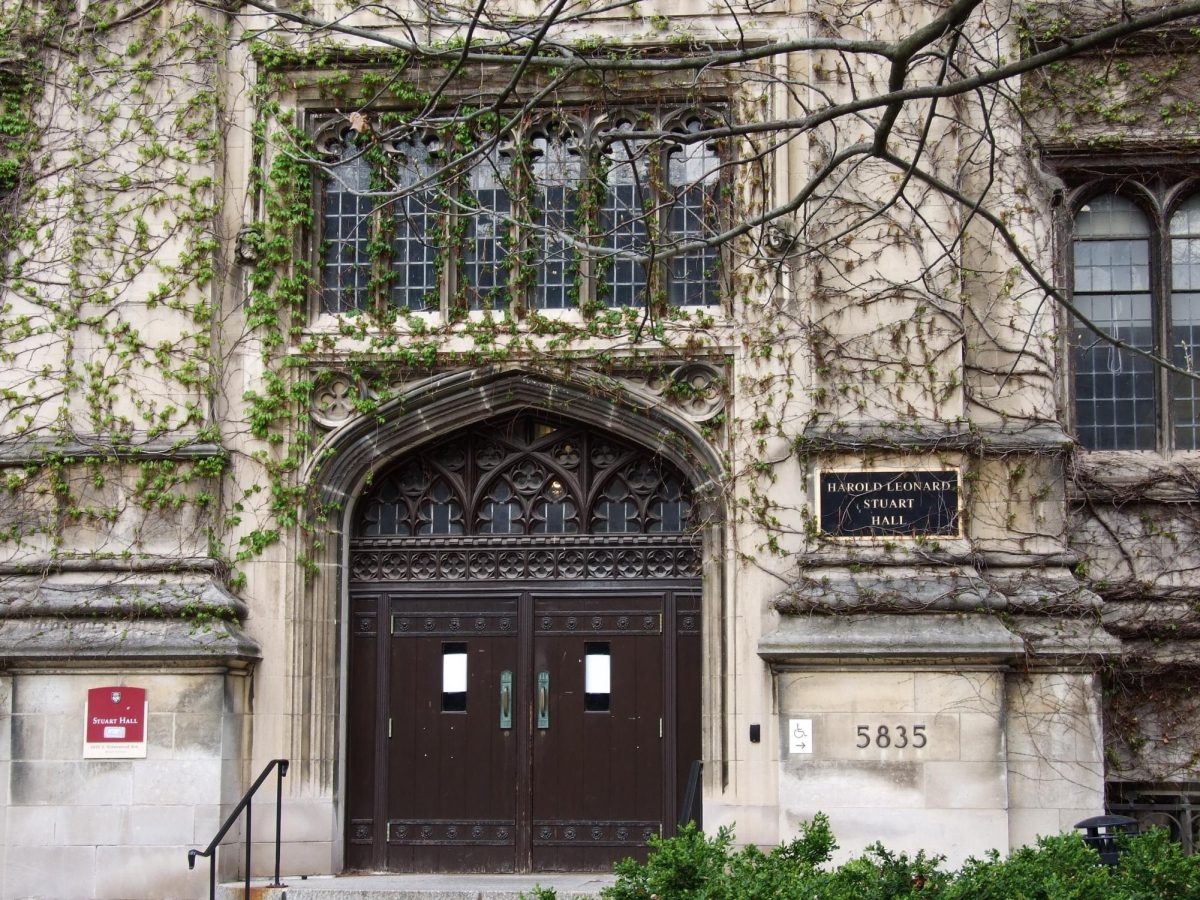
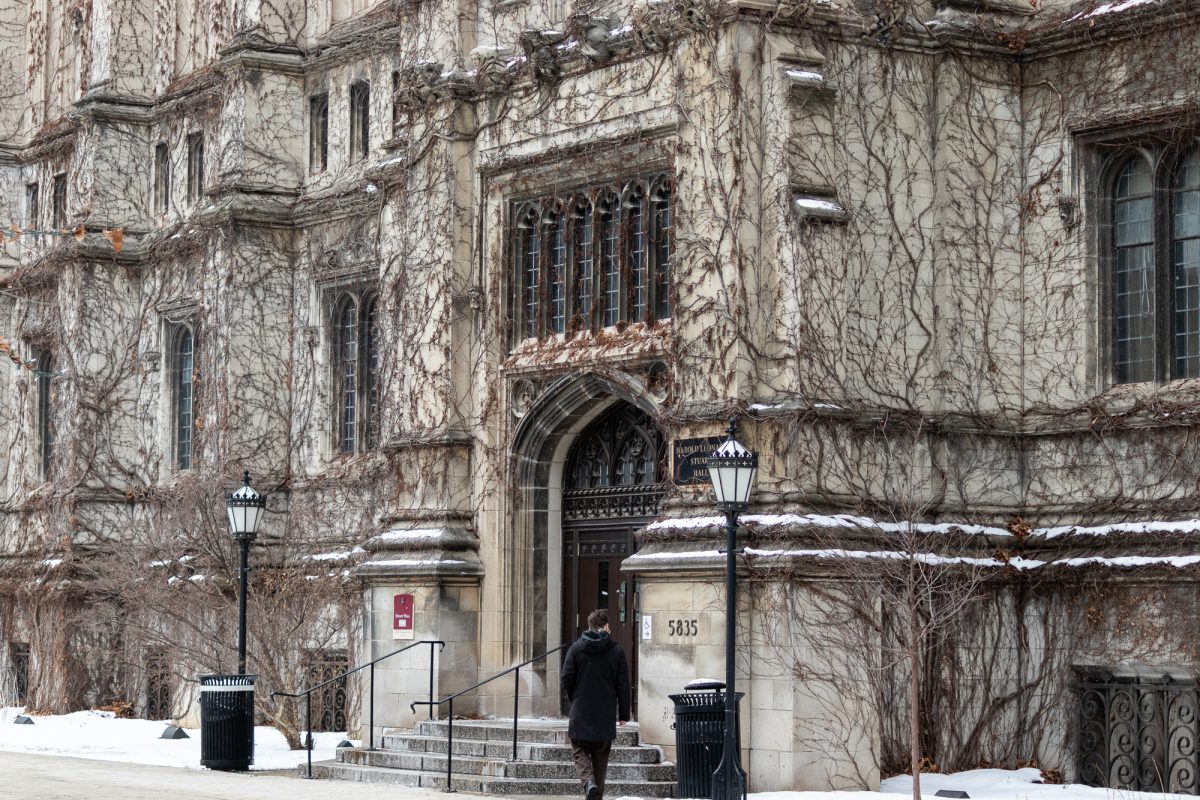
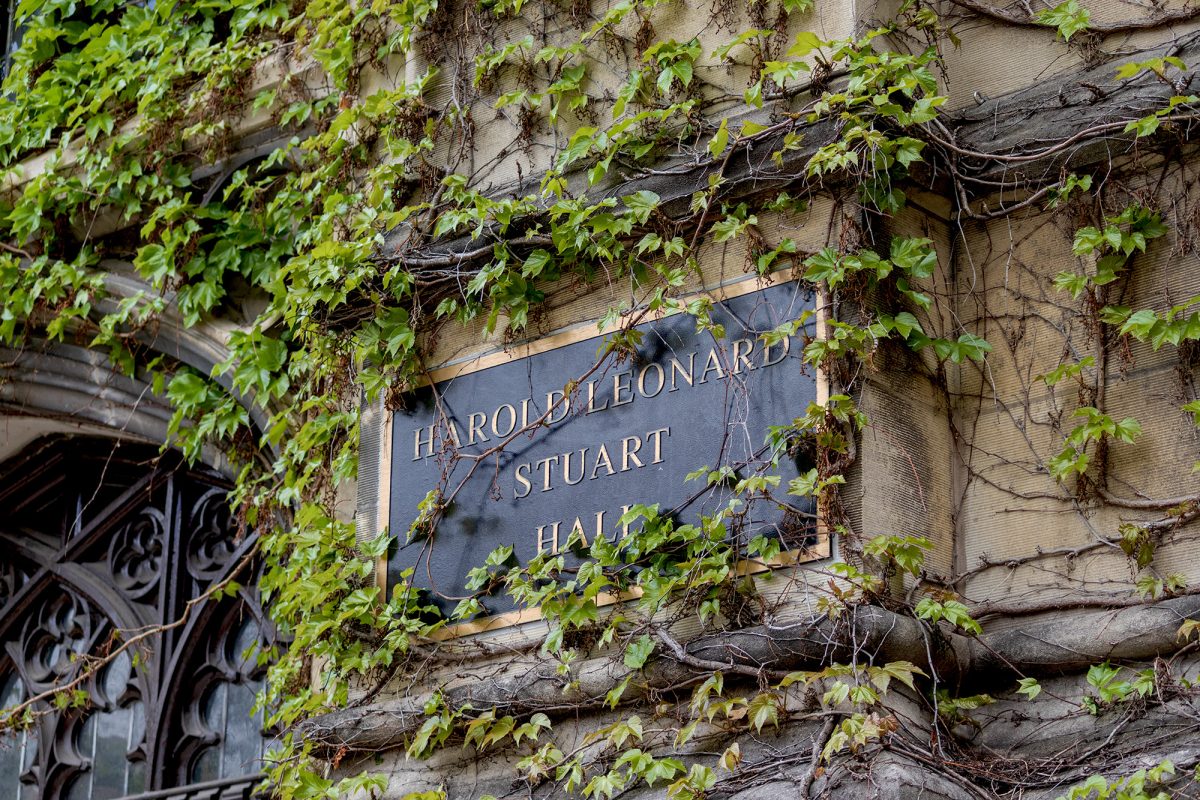
College Council holds weekly public meetings in Stuart Hall 104 on Mondays at 7 p.m.