


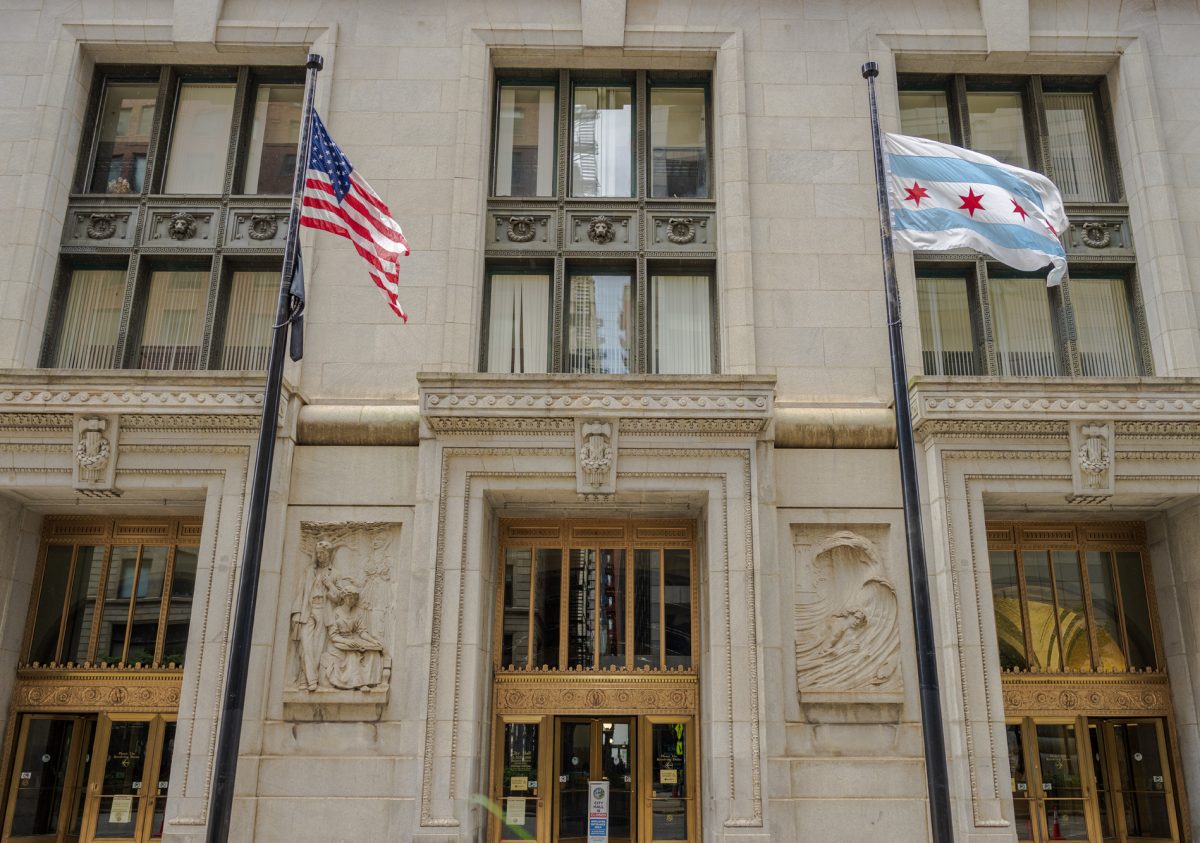
On November 3, Chicagoans will elect federal, state and county officials, including a new U.S. senator. On February 23, 2027, they will return to the polls to vote for mayor, aldermen, and other municipal officers.
Students are eligible to register and vote locally using their Hyde Park addresses, provided they are U.S. citizens and satisfy the state’s 30-day residency requirement before polls open. Illinois offers same-day voter registration, which students can participate in by bringing two forms of identification, at least one of which shows their current residential address, to their polling place. Acceptable documents include a student ID, lease, utility bill, or a housing confirmation document, found in the MyHousing portal. Voters may not participate in elections in more than one state or municipality.
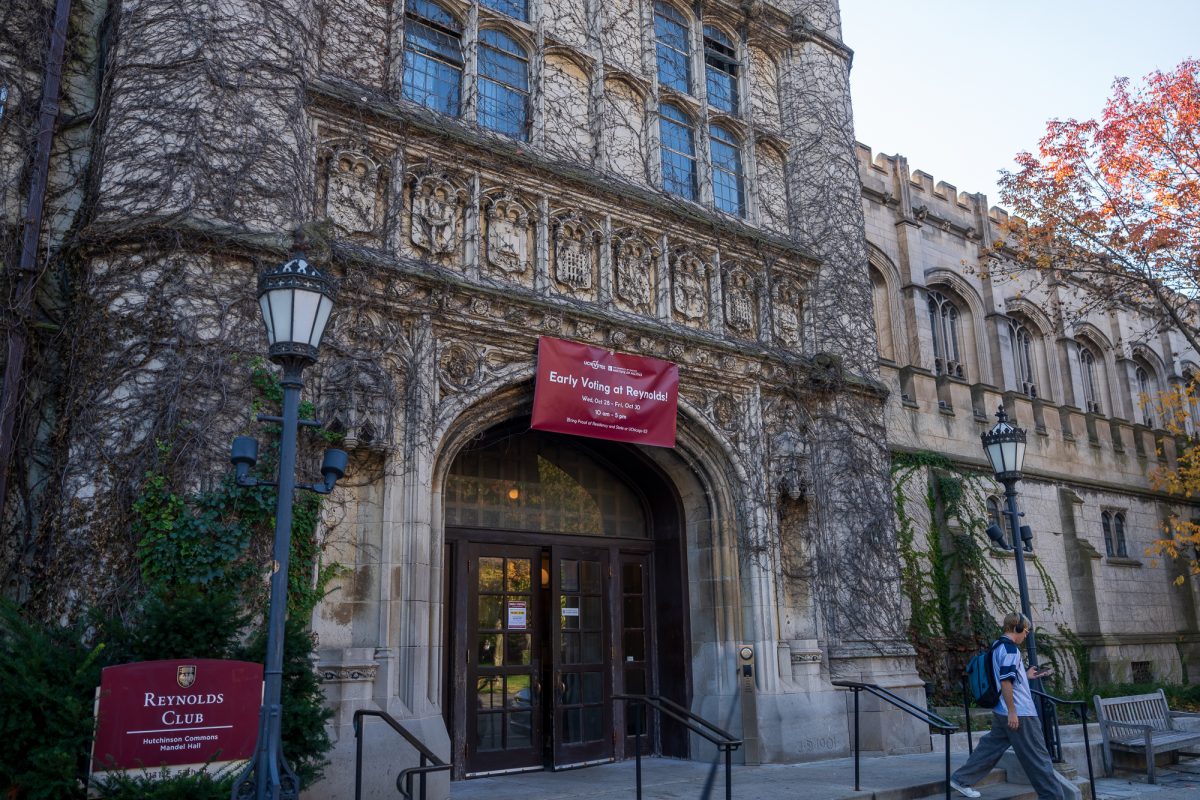
Residents can find their polling place by visiting the Illinois State Board of Elections website or vote early at the Reynolds Club. Early voting begins 40 days in advance of Illinois elections and is typically offered on campus during the week prior to Election Day.
City of Chicago
Chicago’s city government is led by the mayor and a 50-member City Council. Mayor Brandon Johnson, a former teachers’ union organizer, was elected in 2023. The mayor proposes the city budget, oversees city departments, makes appointments such as the chief of police, and can approve or veto legislation passed by the City Council.
Each of Chicago’s 50 wards elects one alderman to serve on the City Council. Aldermen pass ordinances, approve the budget, vote on zoning changes, and handle constituent services. Their influence is particularly visible in development projects, where permitting and zoning changes must often move through local aldermen before receiving approval.
The University and its surrounding neighborhoods fall in three wards: Lamont Robinson represents the Fourth Ward, which includes parts of Hyde Park north of campus; Desmon Yancy represents the Fifth Ward, which contains most of UChicago’s main campus; and Jeanette Taylor represents the 20th Ward, including areas south of the Midway Plaisance and west of Washington Park. All three will be up for reelection in 2027.
Chicago voters also elect a city clerk, who administers City Council, permit and license records, and a treasurer, who manages city funds. Anna Valencia has served as city clerk since 2017 and is running for reelection. The treasurer, currently Melissa Conyears-Ervin, manages and invests city funds.
Public safety has its own elected layer. Three representatives from each of Chicago’s 22 police districts sit on district councils. The councils meet with residents, identify local public-safety priorities, and provide community input on policing.
Voters will go to the polls to make their choices for all of those offices at Chicago’s municipal election on February 23, 2027. The top two candidates in races in which no one receives a majority of the vote advance to an April 6 runoff.
The mayoral field is already crowded. Illinois Secretary of State Alexi Giannoulias, Illinois Comptroller Susana Mendoza, U.S. Representative Mike Quigley (D-Ill., M.P.P. ’85) and several others have entered the race. Johnson announced his reelection bid on September 13. Polling before the announcement showed that only 13.6 percent of Chicago voters wanted Johnson to run for another term.
Chicago Public Schools are governed by the Chicago Board of Education. Chicago began a transition from a mayor-appointed board to an elected board in 2024. This November, alongside county, state, and federal elections, voters will elect one representative from each of the city’s 20 school board subdistricts, along with a board president citywide. The fully elected 21-member board will take office in January 2027.
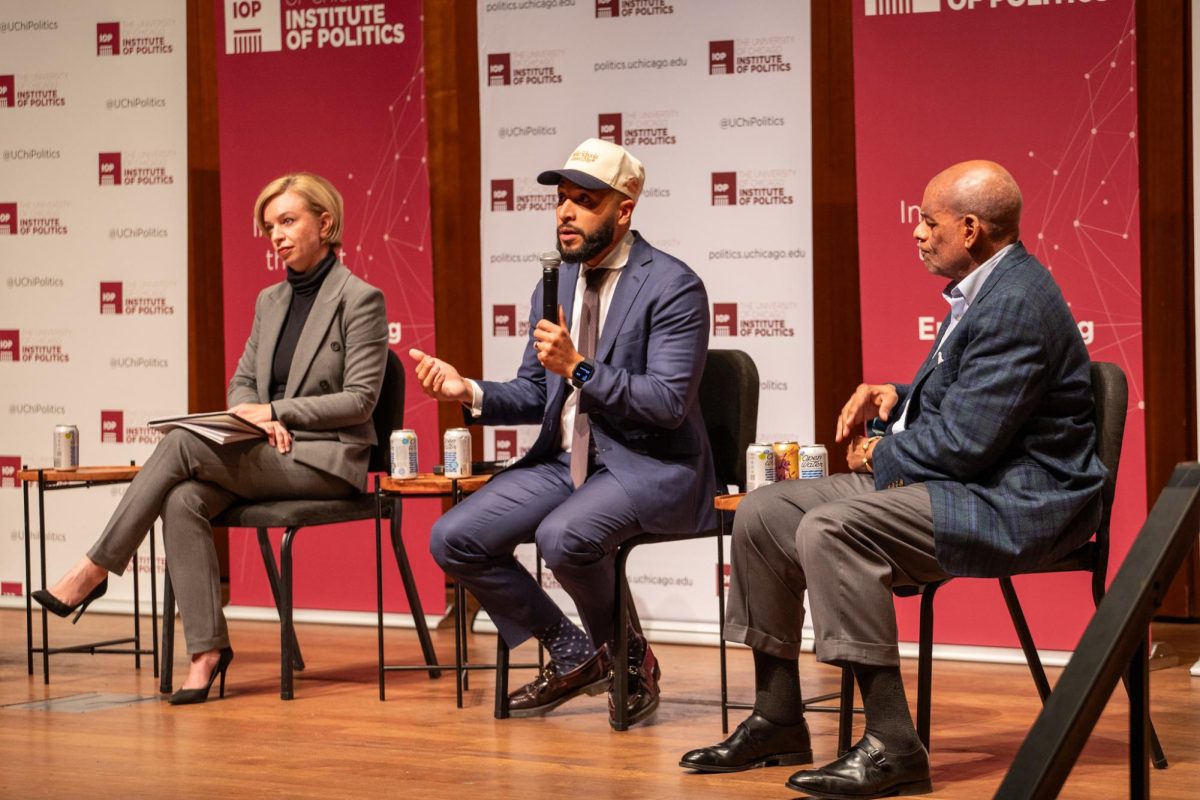
Hyde Park voters west of Woodlawn Avenue—including most on-campus residents—will choose between Brittany Kimble and Michael Neal this November, while those east of Woodlawn Avenue will decide whether to reelect Che “Rhymefest” Smith, who was elected two years ago.
Cook County
Chicago sits inside Cook County, whose government serves more than five million people across the city and its nearby suburbs.
At the top is the president of the Cook County Board of Commissioners, currently Toni Preckwinkle (A.B. ’69, A.M. ’77). The president serves as the county’s chief executive and develops the county budget. A 17-member Board of Commissioners serves as its legislative body.
Much of Hyde Park, Woodlawn, and Kenwood fall within the County Board’s Third District, which is currently represented by Commissioner Bill Lowry.
The county government plays an especially large role in public health and criminal justice systems. Cook County Health operates hospitals and clinics. The Cook County sheriff—currently Tom Dart, who is up for reelection in November—oversees the Sheriff’s Office, the Cook County Jail, and county court security. The Cook County state’s attorney, Eileen O’Neil Burke, prosecutes criminal cases.
The Metropolitan Water Reclamation District of Greater Chicago (MWRD), another separate government body, oversees wastewater treatment and stormwater infrastructure across most of the county; its nine elected commissioners serve six-year terms.
Other elected county officials include a treasurer and an assessor, responsible for calculating and collecting property taxes, and commissioners on the Cook County Board of Review, who hear appeals of property tax assessments.
Voters will choose a Cook County Board president, county clerk, sheriff, treasurer, and assessor, as well as County Board, MWRD, and Board of Review commissioners, in elections on November 3.
Judicial elections will also appear on the ballot. Two-thirds of judges are elected for their six-year terms within the county’s 20 judicial subcircuits, while the other third are elected county-wide. When a judge runs for reelection, they do not face challengers; instead, voters are asked whether or not to retain the judge, and the judge can stay on the bench as long as they meet a 60 percent retention threshold.
State and Federal Elections
Several high-profile state and federal seats are at stake in the November 3 general election.
At the top of the Illinois ballot is an open U.S. Senate seat created by Senator Dick Durbin’s retirement. Lieutenant Governor Juliana Stratton won the hotly contested Democratic nomination and will face Republican Don Tracy.
All of Illinois’s U.S. House seats are also up for election. Most of Hyde Park is in the First Congressional District, currently represented by Democrat Jonathan Jackson, who is running for reelection. A portion of East Hyde Park is in the Second District, represented by retiring fellow Democrat Robin Kelly. Cook County Commissioner Donna Miller, who won another competitive Democratic primary, is heavily favored against Republican Mike Noack in that race in November.
Illinois’s 118 state representatives are each up for election every two years. Curtis Tarver and Kam Buckner, who each represent parts of Hyde Park, and Kimberly du Buclet, who represents much of western Woodlawn, are running for reelection.
Hyde Park and Kenwood are represented in the Illinois State Senate by Robert Peters, who is not up for reelection until 2028. Mattie Hunter, who represents western Woodlawn, is running for reelection this year.
Governor J. B. Pritzker is running for a third term against Republican Darren Bailey, who lost to Pritzker in 2022. Illinois voters will also elect an attorney general, secretary of state, comptroller, and treasurer.


CJ / Oct 25, 2026 at 10:34 am
Not a student but very helpful. I was looking for online info before I go to the Polls.
Thanks,