Fraternities at UChicago and across the country have been at the center of public discourse after a series of recent widely reported sexual assaults. At UChicago’s chapter of Alpha Epsilon Pi (AEPi), a 21-year-old non-student said last month that she was assaulted in the bathroom at a party. Just a week later, a 19-year-old non-student filed a lawsuit alleging that she was assaulted by a fraternity member—and may have been drugged—at Alpha Delta Phi (Alpha Delt) in February.
AEPi and Alpha Delt have since been prevented from holding social events by their national councils, which oversee general operations, provide insurance, and set risk management standards for the Chicago chapters.
Amid all of this, University administrators have remained steadfast in their pronouncements that fraternities are not affiliated with the University, and that only the individuals directly involved may be subject to disciplinary action. This approach is untenable for UChicago, the fraternities, and the University community at large
The University has repeatedly emphasized its commitment to student safety, yet it continues to cower behind its claim of non-affiliation rather than exercise any oversight over the fraternities in which its students are coming to harm.
We are certainly sympathetic to the calls here, and elsewhere, to abolish fraternities altogether. Those reactions are justified in response to the horrific stories that continue to spring up. However, we believe that the abolition of Greek life does nothing to address the underlying causes of sexual violence and allows the University and fraternities to avoid necessary introspection and self-correction.
If the University cares about protecting its students, then it must demonstrate that commitment by working with fraternities to establish preventative measures, create a clear structure of accountability, and discipline chapters that fail to comply.
Fraternities must take safety seriously
Fraternities are something of a cornerstone of UChicago social life. Every weekend, some subset of the nine active, chapter-bound fraternities will host parties. These parties, in theory, are open to all students—regardless of their University affiliation—but whether or not a guest is allowed into the event often comes down to the arbitrary whims of whichever first-year happens to be stationed at the door.
Although some parties check UCIDs to ensure only University students are in attendance, plenty of fraternities have no other vetting procedures.
Once you make it inside the party, the only safety measure in place is the presence of “sober monitors” or “risk managers”—fraternity members assigned to stay alcohol-free for the night, maintain general event safety, and take action where they deem necessary.
Some fraternities have begun taking additional precautions since the incidents at AEPi and Alpha Delt went public. As of Halloween, at least three chapters were requiring guests to RSVP through Partiful and receive host approval before being added to the guest list. At the door, guests’ UCIDs were reportedly checked against the list.
These measures represent a step toward more accountability, but they should be standardized across all fraternities and maintained as permanent safety policies rather than as reputation-saving practices in only response to specific incidents. Most fraternities’ charters or bylaws also require similar precautions, meaning that fraternities have been actively failing to enforce standards they had already committed to upholding.
Clearly, fraternities have demonstrated that they cannot be relied upon to independently enforce basic safety precautions, and there is little reason to believe that this will change without external oversight. The University, then, must step in to ensure that these policies are implemented across chapters and to regularly assess each fraternity’s compliance with them.
However, ensuring student safety requires more than implementing a few additional precautions at fraternity parties.
Information about the specifics of internal training practices at fraternities is not publicly available, but according to former Phi Delta Theta President Arav Saksena, the Panhellenic Council (Panhel)—which oversees all of the sororities on campus—held a safety training for the “risk chairs” of each fraternity on campus last academic year. Risk chairs were then responsible for disseminating that information to the rest of their fraternity’s members.
Earlier this month, Undergraduate Student Government’s Committee on Sexual Assault Awareness and Prevention (SAAP) held its own optional bystander prevention training for fraternity members. Just 75 students—a fraction of the several hundred students involved in Greek life—attended the training.
Although both Panhel’s and SAAP’s trainings are a start, neither is a substitute for mandatory, fraternity-wide training, and the fact that fraternities rely on external student groups to provide even basic safety training further proves that they cannot go on without a clear overseeing body. The University must require all fraternity members, particularly risk chairs and sober monitors, to complete in-person sexual assault prevention and bystander intervention training that goes beyond the perfunctory virtual modules students in the College are required to complete each academic year.
Fraternities should not be allowed to decide for themselves whether or not a basic safety measure is worth implementing.
The University must recognize fraternities
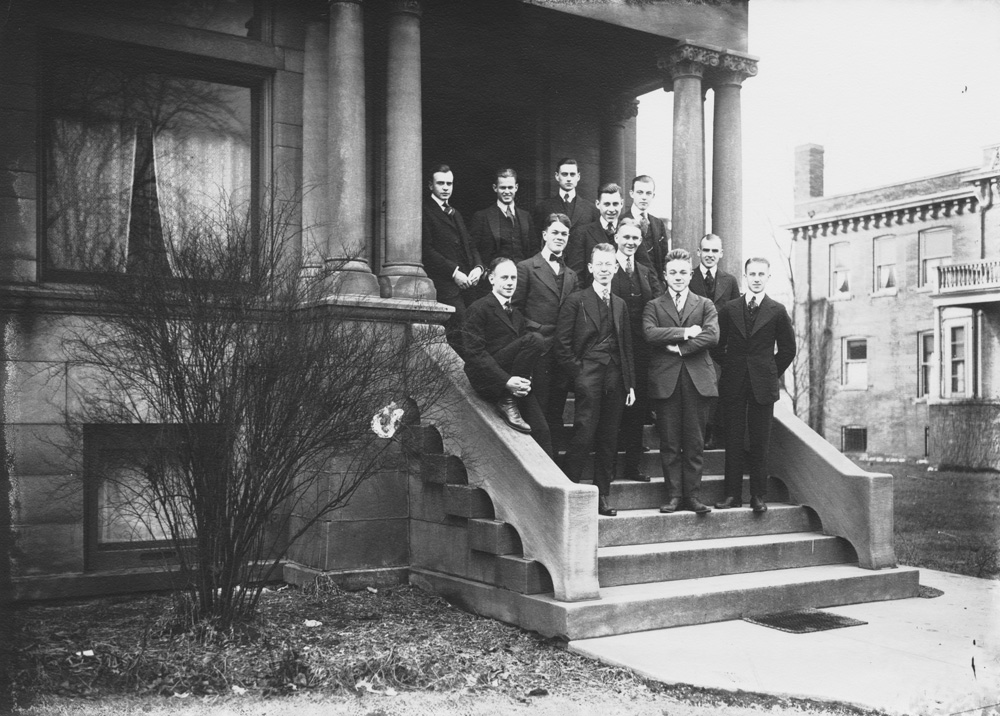
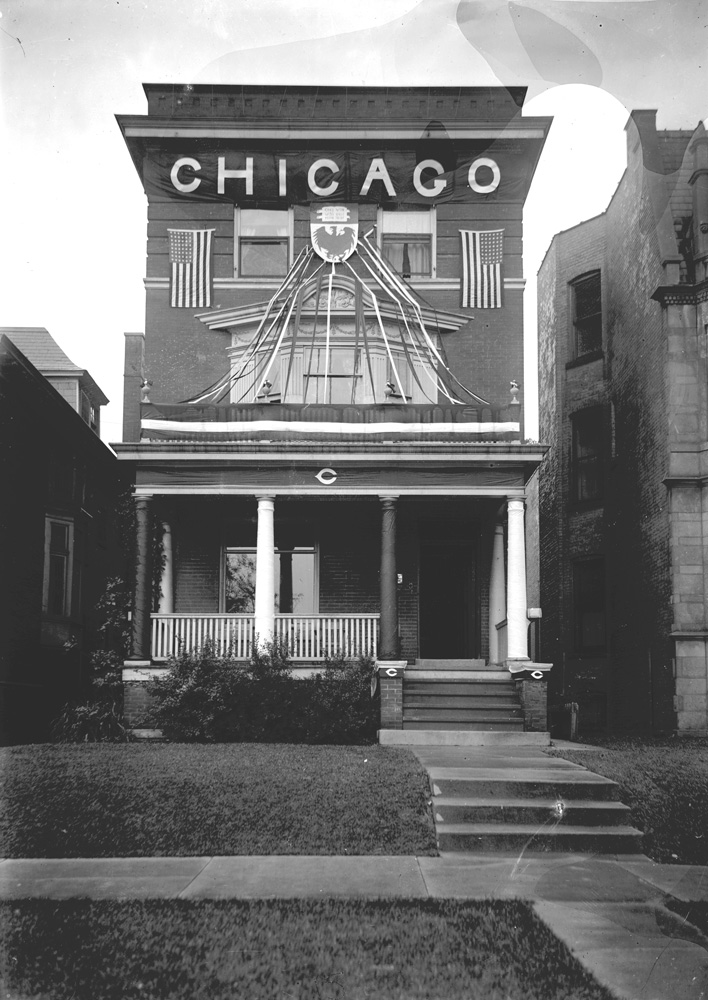
The presence of Greek life at UChicago has been contested since the University’s founding. Campus debate on the role of fraternities was so widespread in the 1890s that the University of Chicago Weekly—a precursor publication to the Maroon—described it as one of three “old standbys” of editorial material, alongside church attendance and the World’s Fair.
Notably, however, the discourse around fraternities at the University’s founding, and particularly administrative opposition to their presence, produced a system that we believe is a good starting point for modern reforms.
To operate at UChicago, fraternities were presided over by the University’s housing office, required to submit bylaws to a University administrative body for approval, and made to have recognized, non-student representatives responsible for the fraternity’s conduct with whom the University could engage.
A fraternity, as an organization “coming from the University, would be under University supervision, would be easily subject to discipline, should occasion require, and might solve the problem of student association,” UChicago professor Francis Shepardson wrote in the Weekly.
In 1945, however, the University prohibited students from joining fraternities until their third year and later temporarily banned fraternities in the College outright. The fraternities complied with the effort, writing in the Maroon shortly after the decision that they would “act in complete accord with the University’s policies.”
In the aftermath of the recent reported sexual assaults, the University has not even entertained sanctioning fraternities, saying that it is powerless to impose consequences on entities from which it maintains it is independent. But the University has in the past exercised oversight over fraternities as organizations, rather than limiting its disciplinary authority to individual members, when it feels that such oversight benefits the fraternities and the student body as a whole. It can—and must—do so again.
To ensure accountability for both parties, all fraternities should enter into some form of formal affiliation with the University, whether through RSO status or memorandums of understanding. Under such an arrangement, fraternities could still host events in their private residences and recruit students according to their prerogatives, but the University would have both the explicit authority to exercise meaningful oversight over these organizations—which they clearly need—and an obligation to do so.
UCPD must enforce the law
It’s no secret that fraternities are hotbeds for underage drinking. Every weekend, houses a few feet from the main quad fill with intoxicated students, yet the University of Chicago Police Department (UCPD)—the primary law enforcement agency on and around campus—appears to turn a blind eye. Officers rarely, if ever, seem to intervene before the houses become the sites of serious, reported incidents.
Although UCPD officers respond to reports of major sex offenses, their role is generally limited, with the Chicago Police Department handling all primary and follow-up investigations. But the University’s responsibility cannot end with merely regulating student organizations.
UCPD does not need to invent new policies—it should consistently enforce existing policies and the prohibition on underage alcohol consumption. More consistent enforcement would remind fraternity members and partygoers alike that these events are not beyond the reach of law enforcement and that their actions have consequences. The department cannot prevent every instance of sexual violence, but it should not wait until a serious offense occurs to take action.
Where do we go from here?
On their own, none of these measures will eliminate sexual violence. They would, however, establish a structure of accountability at both the fraternity and University levels that could help mitigate it.
Beyond the steps we’ve outlined here, we concur with recommendations made by the student organizers of the “We Are Jane Doe” rally last week. An independent audit of the University’s practices and improvements to the sexual violence prevention curriculum are clearly positive actions that would both improve the situation for survivors and help the University regain lost trust.
If the University really wants to protect its students, it must take concrete actions that demonstrate this commitment.
Anika Krishnaswamy, Nathaniel Rodwell-Simon, and Olin Nafziger have recused themselves from this editorial due to reporting conflicts. Arav Saksena, the former president of Phi Delt, is the Maroon’s chief financial officer; he was not involved in the reporting or editing of this story.