College Council (CC) approved Undergraduate Student Government’s (USG) $2.1 million budget for the 2026–27 academic year, determining the amount of money distributed across USG’s bodies, by unanimous vote at its Monday meeting. The budget—which includes a $51,423 increase from the previous year—was agreed upon by USG committee chairs and approved unanimously by USG’s cabinet before the meeting.
The Sports Club Fund received a $25,000 increase, bringing its total funding to $220,000. “The conditions of student athletes as of now isn’t the best,” Vice President of Student Organizations Fred Lee said. “They’re being crammed into a bunch of places, and they’re not getting flights.”
The Coalition of Academic Teams (CAT) received a $27,725 increase for a total budget of $430,000; Formula SAE and UChicago Fed Challenge’s move from the Student Government Finance Committee (SGFC) to CAT largely accounts for the increase, Lee said. The Program Coordinating Council also received $551,839, a $15,839 increase from last year.
SGFC’s budget was decreased by $8,425, leaving it with a total of $818,574 for the coming academic year. Because multiple RSOs are being moved out of SGFC’s jurisdiction and into other committees, SGFC will have more funding for the remaining RSOs, even after the reduction, according to Lee. “It seems like they’re getting a cut, but in reality they’re actually getting an increase in their budget just because we’re moving [RSOs out of SGFC],” Lee said.
The Community Service Fund (CSF) had $13,574 in rollover funds from this year. As a result, although its allocation was reduced by the same amount compared to last year—bringing it to $53,925—its budget for next year will be effectively unchanged.
USG’s administrative budget increased by $7,359 to $23,000, partially to cover the costs of redesigning and maintaining the USG website. Lee said the administrative budget can also be used to “bail out” any committee that requires more funding, giving USG flexibility throughout the year.
College Council, the Student Advocate’s Office, and a funding pool for student leadership recognition awards (SLRAs) and RSO awards will receive $1,000, $3,433, and $4,000, respectively, marking no change from this year.
CC also heard RSO funding appeals from the Society for International Relations (SIR), the Charles River Economics Lab, and MECHA, a Hispanic culture group.
SIR erroneously requested $0, which they attributed to a glitch. SIR member Leja Ejury said the group submitted a corrected $2,530 appeals request after being informed of the mistake, but SGFC still allocated $0. Lee suggested that this request was likely due to human error, specifically failing to save the request. He added that 16 other RSOs had also made $0 requests.
Class of 2026 Representative Pavlik Braverman said that a large number of RSO failed to request funds correctly, which may indicate the funding request system’s lack of clarity. “If there’s a substantial set of [RSOs] that are consistently making the same mistake, it feels strange to me that they should be punished for it.”
“Regardless of who is at fault for the delayed application, the fact of the matter is that SGFC had the opportunity to deliberate on SIR’s corrected request,” Class of 2029 Representative Gavin Wynn said. “Allowing SGFC to withhold an RSO’s annual funding, prohibiting valuable academic and career programming from occurring, solely due to a delay in the application process, can only be viewed as a fundamental failure of our duty to support student organizations.”
After further deliberation, CC moved to allocate $630 to SIR, in line with SGFC funding guidelines.
Charles River Economics Lab disputed what it considered insubstantial funding for food at gatherings where students share their economics research, arguing that these were events and not “general body meetings.” According to its funding guidelines, SGFC does not fund food for general body meetings, but will cover some food expenses for events.
“These presentations are essential to our club, and they also run for a very long time, typically between two and a half to three hours,” said Darshan Kommanapalli, president of Charles River Economics Lab. Kommanapalli also pointed out that there was currently no official definition for “general body meetings”.
Multiple USG representatives argued that, because these gatherings were not publicly advertised, it was unlikely that many non-members would attend.
“I think the main point is if you are interested in economics research, there will be one way or another an opportunity to hear about Charles River Economics Lab,” Kommanapalli responded, claiming that people interested in the subject would hear about it through word of mouth.
After further deliberation, CC moved to uphold SGFC’s decision, providing no additional funding to Charles River Economics lab.
MECHA appealed for more funding for three events. CC rejected the requests for two of them because the SGFC cost guide only covers an RSO’s top three events and the group ranked those events as its fifth- and seventh-most important.
The group’s $2,950 request for its quinceañera event was considered and ultimately approved for $942.70, which CC members agreed was in line with the amount suggested by the SGFC cost guide. CC also told MECHA that they could re-request funding for a DJ during the next school year.
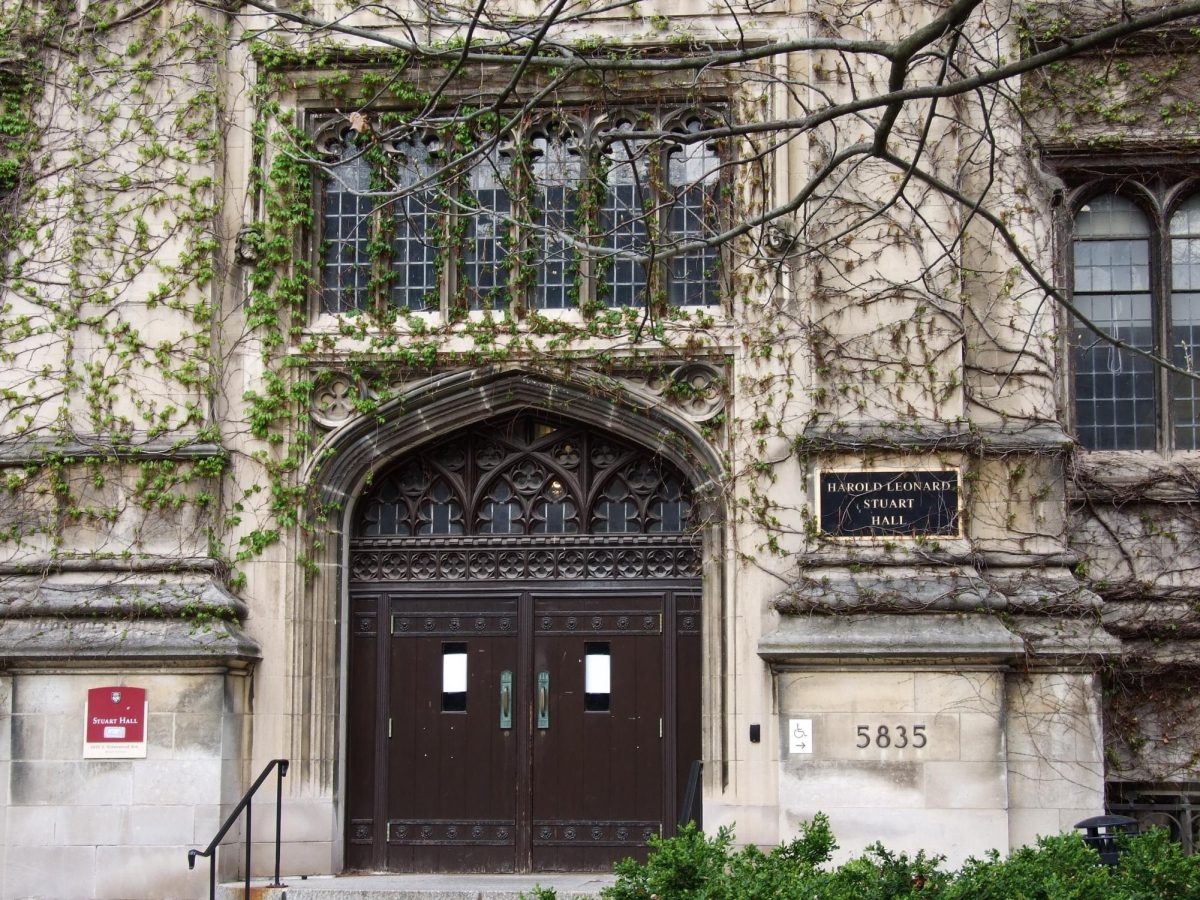
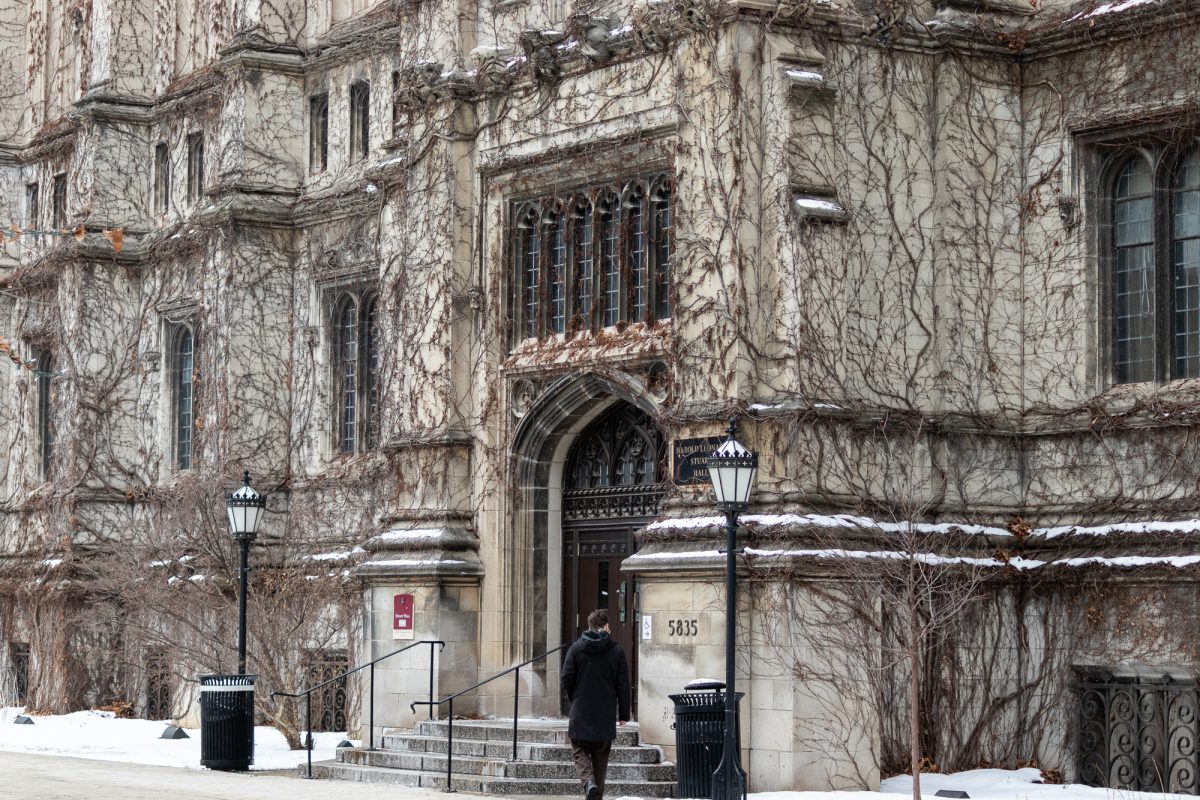
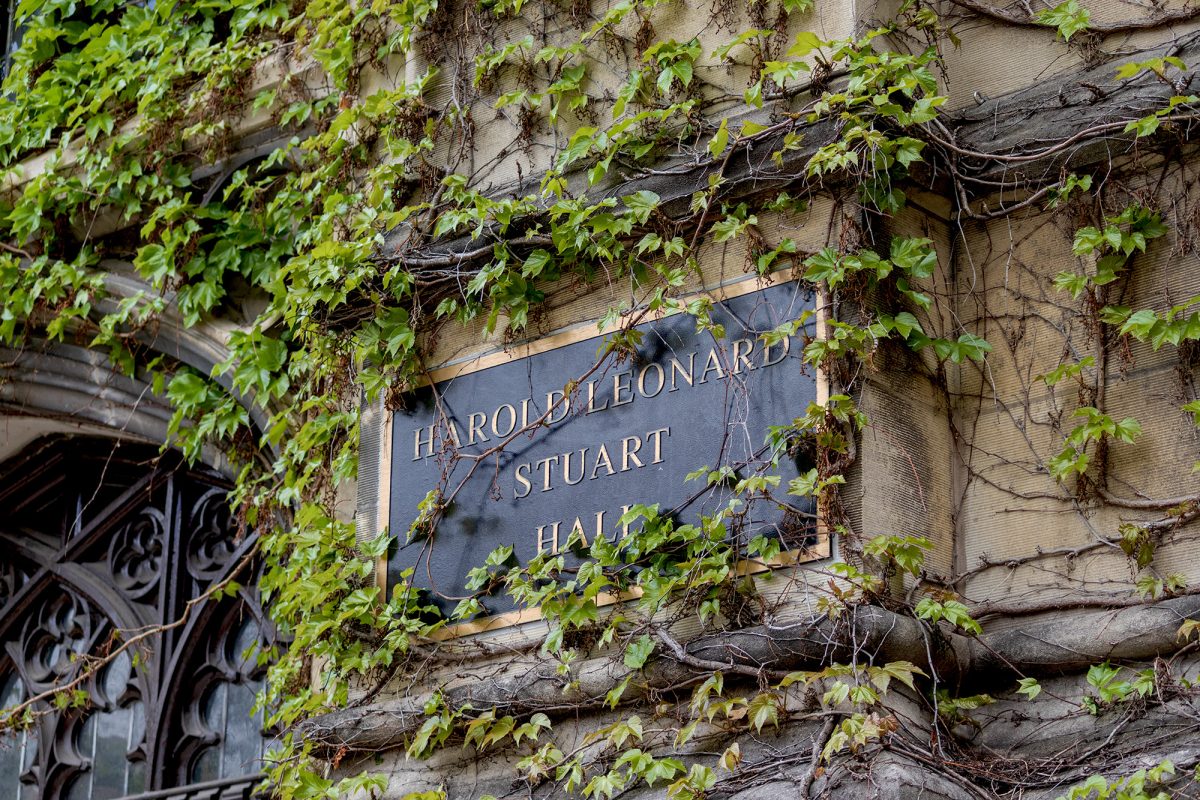
College Council holds weekly public meetings in Stuart Hall 104 on Mondays at 7 p.m.