The Department of Homeland Security (DHS) issued a final rule on Friday establishing new restrictions on students and exchange visitors entering the United States on F and J visas. F visas are issued to full-time international students, while J visas are for participants in short-term exchange programs.
The new rule, which will take effect in September, establishes a maximum four-year period of admission into the U.S., replacing a longstanding policy that allowed international and exchange students to stay within the country as long as they maintained active enrollment or participated in certain workforce programs.
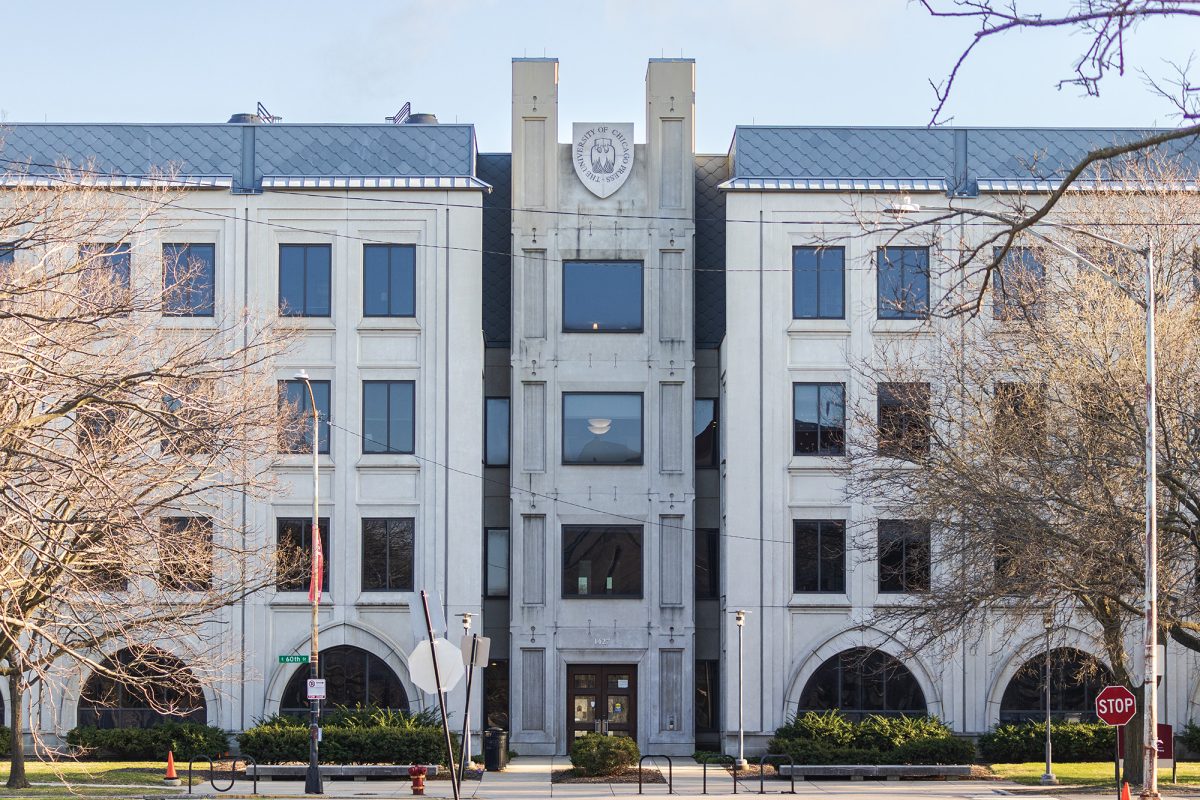
UChicago’s Office of International Affairs is currently evaluating the extent to which the policy will affect international students and scholars at the University, according to an email sent to students on July 17.
Students who intend to stay longer than the length of their program will be required to reapply under the new rule, and those who overstay their visas could be subject to bans on returning to the U.S.
Once the policy is enacted, F and J visa holders already in the U.S. will have four years to reapply from the policy’s effective date, regardless of their program duration or when they arrived. The policy applies to both undergraduate and graduate programs and will require students in longer programs to reapply at least once.
A survey by the National Center for Science and Engineering Statistics found that the average time required to complete a Ph.D. across all fields in the U.S. in 2024 was 5.7 years.
A DHS press release said the new policy would combat “rampant visa abuse” and reduce the rate of “forever students,” or students who continuously enroll in classes to avoid departure from the U.S. In its final rule, DHS identified approximately 2,100 such cases among the more than 3 million F-1 visas issued between 2000 and 2010.
The agency also estimated that just 2.44 percent of F and J visa holders who were expected to leave the United States in 2024 remained in the country after their legal status had lapsed. That rate excludes students from Canada and Mexico and those who initially overstayed their visas but were eventually recorded as leaving the country.
The new visa restrictions come at a time when the U.S. is already experiencing a decline in foreign student enrollment, coinciding with the Trump administration’s more restrictive immigration policies and threats to international students. In a spring 2026 survey, 62 percent of 149 U.S. universities reported fewer international undergraduate and graduate students compared to the previous year.
Despite the overall decline, UChicago is one of four institutions of the largest universities in Illinois that did not see a drop in foreign enrollment during the 2025–26 academic year, according to a Chicago Tribune analysis from last fall. In fact, UChicago’s international student enrollment increased by 163 students.
International students currently make up 24 percent of the University community and over 17 percent of undergraduates as of the 2024–25 academic year. They accounted for 60 percent of the Harris School of Public Policy’s incoming class in 2024.